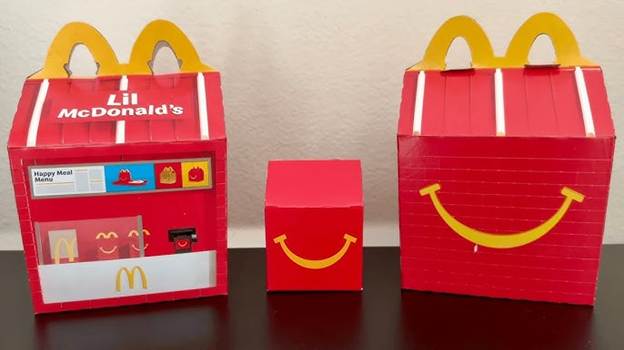
For children, the food they receive from restaurants becomes less important than their excitement about the delivery box. The packaging of the product attracts their attention from the beginning. In the competitive environment of fast food restaurants, which operate as quick service restaurants, the restaurant operators use their packaging methods to create a sensory experience that helps them build emotional connections with their customers. The touch point has a significant impact on the results.
The research about consumer behavior with brands shows an intriguing discovery. Positive brand experiences create pester power, which causes children to demand products from their parents until they reach adulthood. The result creates a permanent attraction to the concept. The concept appears logical to me, yet I lack certainty about its implementation by all brands. The box part stands out to me, especially for little ones.
Material Excellence for Happy Meal Boxes
The first step to developing high-quality food-safe packaging solutions requires selecting appropriate materials. The QSR industry needs to select substrates because these materials affect both box strength and child safety during meal consumption. Brands can achieve packaging protection for their products and their business image by using high-performance materials. The following factors represent the essential elements that companies must evaluate when choosing materials that meet industry standards.
● SBS Paperboard
Bleached Sulfate paper is use to make sure Happy Meal Boxes are safe and good for kids. This special paper stops chemicals from getting into the food and gives us a clean white surface to put our brand on.
● Enhanced Grease Barriers
Use special water-based coatings to keep Happy Meal Boxes strong. These coatings stop grease from fries and nuggets from getting into the box and making it fall apart.
● Safety-First Coatings
Soy-based inks and safe varnishes make sure Happy Meal Boxes are safe for kids. These coatings are good for the Earth. They make the colors look really good.
Engineering for the “Small Hands” Experience
The physical components of meal boxes for children need to match their movement patterns and their requirement for safety. Children who are younger than seven years old develop motor abilities that differ from those of adults. The box needs to work with that. A box that is too hard to open just frustrates them right away. The extra lightweight design, which makes it easy to break, causes spills to occur in crowded dining areas because accidents happen frequently. High-quality ones often go with a gabled-top structure. The design provides a strong handle that small hands can easily use to pick up and transport items.
Interactive Packaging: Engaging Young Minds Through Play
The complete success of meal boxes depends on their requirement for interactive packaging. Children today need ongoing entertainment because initial colorful designs and entertaining characters succeed at capturing their attention. Packaging needs to deliver actual enjoyment because people in this generation spend most of their time using digital displays.
The Custom Cereal Box design success achieved through this strategy operates in the same way as the back panel, which provides morning entertainment to users. The transformation of packaging into a physical toy instead of using it as a simple storage unit results in extended brand interaction time. This methodology creates a complete dining experience, which establishes a positive emotional connection to the dining process. When a box offers this level of play, it ceases to be disposable waste and becomes something children look forward to engaging with after every visit.
Safety Regulations and Environmental Accountability
Modern parents show strong interest in the environmental safety of their purchased products. Every box that has food in it must meet strict rules so that no bad chemicals get into the food. People now show increased concern about their plastic consumption. The use of recyclable and compostable packaging materials holds significant value. The packaging uses soy-based ink and water-based coatings, which create environmentally safe and ecologically beneficial packaging. Parents develop positive feelings toward brands that demonstrate dedication to environmental sustainability. People perceive earth-friendly packaging as a sign that the contents inside are nutritious and beneficial.
Investing in the Next Generation
Your first meal box needs to provide a pleasant experience because it serves as a silent companion that brings happiness to customers who purchase their meals. The process of dining becomes entertaining through this particular service. Your design should create a box that consumers find easy to carry while they enjoy its entertaining features and safe design for children. Your business goes beyond food sales because you create joyful moments for both parents and their children. Happy Meal boxes are something that kids remember and parents like.
To create more enjoyable food packaging for children, you should consult with an expert who specializes in box design and packaging. They can help you make a box that’s just right for your company.
Conclusion
Happy Meal Boxes are more than simple food containers because they help create strong emotional connections between children and brands. A well-designed Happy Meal Boxes combines safety, durability, creativity, and entertainment to make every meal memorable for young customers. From food-safe SBS paperboard and grease-resistant coatings to easy-to-carry structures and interactive activities, every detail contributes to a better customer experience.
Modern parents also value eco-friendly packaging, making recyclable materials and non-toxic inks an important part of brand trust and responsibility. When businesses invest in attractive and child-friendly packaging, they are not only serving food but also building positive memories that can influence customer loyalty for years. Creative and functional packaging helps brands stand out in the competitive QSR market while delivering joy to children and confidence to parents. In the end, thoughtfully designed Happy Meal Boxes become a powerful marketing tool that strengthens brand identity, customer satisfaction, and long-term business growth.