Iron is a key mineral for overall health and plays a vital role in the production of
Red blood cells include the protein hemoglobin that carries oxygen. In women, and especially pregnant women, iron requirements become extremely high. When oral supplementation doesn’t work or is not tolerated, iron infusions can be a lifesaver. This article addresses the value of
iron infusions in pregnant women and in women in general, and their potential for the
maintenance of long-term health after giving birth.
The Function of Iron in Women’s Wellness
Iron is required for preserving energy stores, immune system function, and brain health. Women
are more susceptible to iron deficiency than men because of menstrual blood loss, pregnancy,
and childbirth. The body requires additional iron while pregnant in order to nurture a growing placenta, fetus, and higher blood volume.
Iron absence is one of the most prevalent dietary deficiencies globally, and it disproportionately
impacted women who were of childbearing age. According to the World Health Organization, over 40% of pregnant women globally are anemic, and of these, iron deficiency is the most frequent cause.
Why Pregnancy Increases Iron Needs
During pregnancy, a woman’s iron needs increase by nearly 50%. Here’s why:
● Increased Blood Volume: The pregnant woman’s blood volume increases by as much as 50%, and thus she needs more iron to make more red blood cells.
● Fetal Growth: The growing baby utilizes the iron from the mother to build its own organ systems and blood.
● Placenta Development: The placenta also requires sufficient iron to function maximally.
When these needs cannot be supplied by food and oral supplements, the threat for iron deficiency anemia (IDA) increases.
Signs and Symptoms of Pregnancy Iron Deficiency
Early symptoms of iron deficiency can be mild and indistinguishable from normal pregnancy weariness. However, long-term deficiency can lead to:
● Persistent weakness or exhaustion
● Pale complexion and lips
● Breathlessness
● Dizziness or lightheadedness
● Tachycardia
● Headaches
● Restless leg syndrome or syndrome
Iron deficiency may increase the risk of low birth weight, postpartum depression, and early
delivery in severe instances.
Why Oral Iron Isn’t Always Enough
Most women are prescribed oral iron supplements when they’re pregnant. Oral iron is
problematic, though:
● Gastrointestinal side effects such as constipation, nausea, or cramps.
● Poor absorption due to food interactions or gastrointestinal disease such as
celiac disease or inflammatory bowel disease.
● Slow response time: it may take weeks or months to cure anemia.
If oral iron is ineffective or anemia is chronic, intravenous (IV) iron infusion is a highly effective option.
What Is an Iron Infusion?
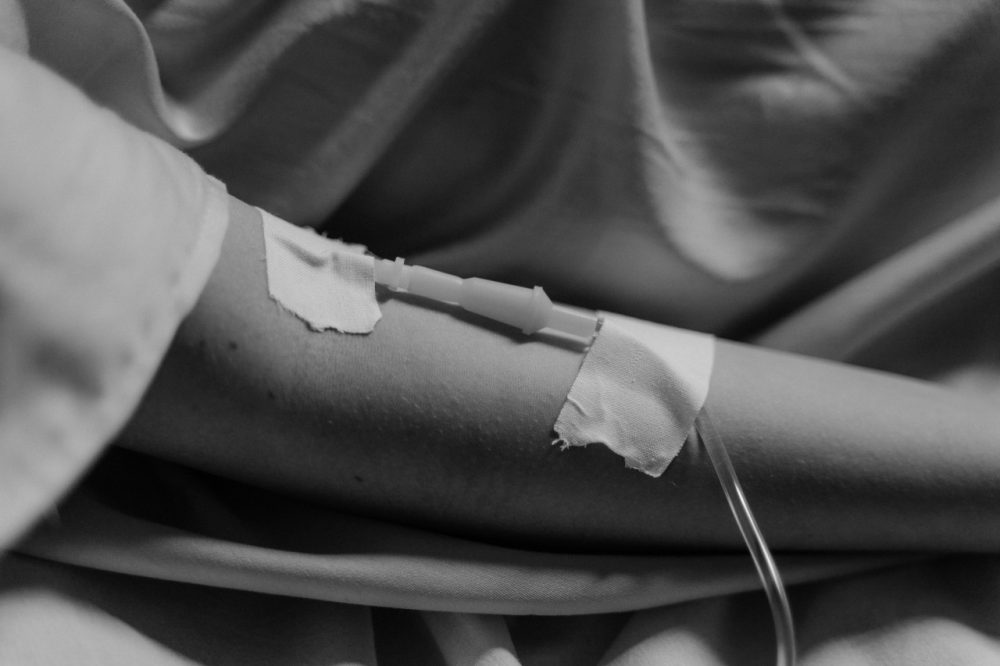
Iron infusion is a procedure in medicine whereby iron is introduced intravenously (IV) into the bloodstream. It is quicker to restore iron levels compared to oral supplements. It’s done with medical care in a hospital, clinic, or infusion center.
New iron infusion drugs are safe, effective, and well tolerated and lead to quicker access to symptom improvement and recovery.
Advantages of Iron Infusion During Pregnancy
• Quick Replenishment of Iron Status
Iron infusions also bypass the gastrointestinal system, and hence absorption and
Correction of the deficiency is faster. The majority of people have significant gains in
energy and well-being within days or weeks.
• Fewer Gastrointestinal Side Effects
Constipation and nausea, and other side effects, are rare with iron infusions.
● Better Birth Outcomes
Iron deficiency correction can lower the risk of complications such as preterm labor, low birth weight, and infant anemia.
● Maternal Recovery Support
Recovery from postpartum is easier when the mother is not struggling with anemia. Optimal iron levels also optimize breastfeeding and overall energy.
Is Iron Infusion Safe during Pregnancy?
Yes—iron infusions are safe during pregnancy, particularly between the second and third trimester. Your healthcare professional will check your iron levels with a blood test (hemoglobin, ferritin, hematocrit) and decide whether or not infusion is required.
Some new forms, like ferric carboxymaltose and iron sucrose, are commonly used
in low-risk pregnant women.
Iron Infusion: What to Expect
When you get an order for an iron infusion from your doctor, expect the following:
● Initial Consultation: The physician will review your medical history and laboratory
results to determine how much iron is to be administered and how frequently you are
to be infused.
● Procedure Time: The time of an infusion session is typically 15 minutes to a few hours,
depending on the preparation used.
● Monitoring: You’ll be closely watched for any side effects, particularly on your first
infusion.
● Number of Treatments: A few women require only one or two sessions, whereas
others might need multiple over a period of weeks.
Iron infusions are generally well tolerated by most women, with side effects being unusual.
Potential mild reactions can include metallic taste, headache, or mild fatigue.
After Pregnancy: Ongoing Benefits for Women’s Health
Iron infusions aren’t just helpful during pregnancy—Iron infusions can be life-altering
after giving birth:
● Postpartum Recovery: Iron stores can get reduced as a consequence of bleeding after delivery.
Infusions can accelerate recovery and increase energy levels.
● Heavy Menstrual Bleeding: Women with menorrhagia (heavy menstrual bleeding) may
appreciate regular iron infusions to help control chronic deficiency.
● Chronic Disease: Conditions such as endometriosis, fibroids, celiac disease, or
gastrointestinal disease can disrupt absorption of iron, and infusions are a convenient long-term therapy.
When to Talk to Your Physician
If you’re pregnant or expect to be pregnant and find yourself tired, pale, or short of breath, have your doctor check your iron. If oral supplements aren’t effective—or you can’t take them—have your doctor discuss iron infusion as a different option. Blood work to request:
● Hemoglobin
● Ferritin
● Transferrin saturation
Need iron infusion treatment in NY? Premier Hematology Provide quick, safe, and effective treatments to restore your iron stores and get your energy back.
Conclusion
Iron infusions may be a life-saver for women, particularly those with the physical stresses of pregnancy and postpartum. They provide a rapid, effective, and safe means of iron deficiency correction and ensuring maternal and fetal health.Iron infusions remain an effective treatment for chronic anemia as well as enhancing quality of life beyond pregnancy.