Every home goes through many changes across the year. From humid monsoons to dry winters and scorching summer heat, the building materials face a lot of stress. In such conditions, plywood must do more than just look good. It must stay strong from one season to the next.
That is why builders and homeowners now pay attention to how plywood sheets perform across climate shifts. A good sheet must handle temperature rise along with moisture exposure and seasonal dryness. Only then can it promise long-term value.
Seasonal Impact on Common Plywood
Ordinary plywood often reacts to climate changes. During hot months, expansion is common. During cold months, cracks may appear. During monsoon, edges swell or bend. These reactions are not always visible at first. But over time, they lead to weakened joints and surface damage.
Cupboards do not shut properly. Drawers get stuck. Countertops begin to warp. That is how climate slowly affects home interiors. This is why choosing weather-ready plywood sheets is important.
Humidity Resistance During Monsoon
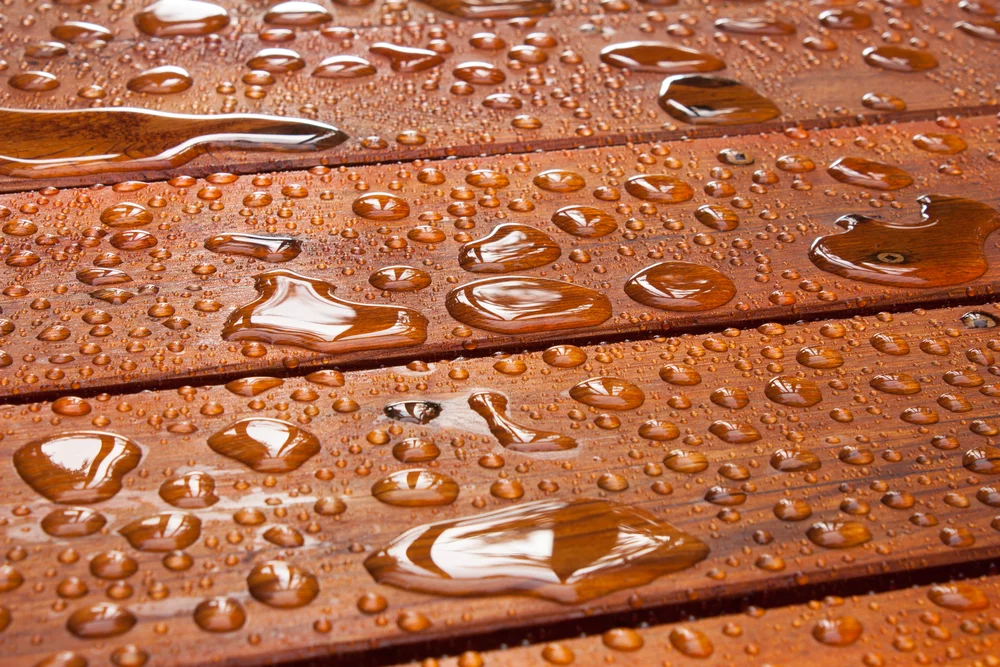
The rainy season is a true test for plywood. Excess moisture in the air seeps into surfaces. If the board is untreated or poorly pressed, it absorbs this moisture. This causes swelling and loss of shape.
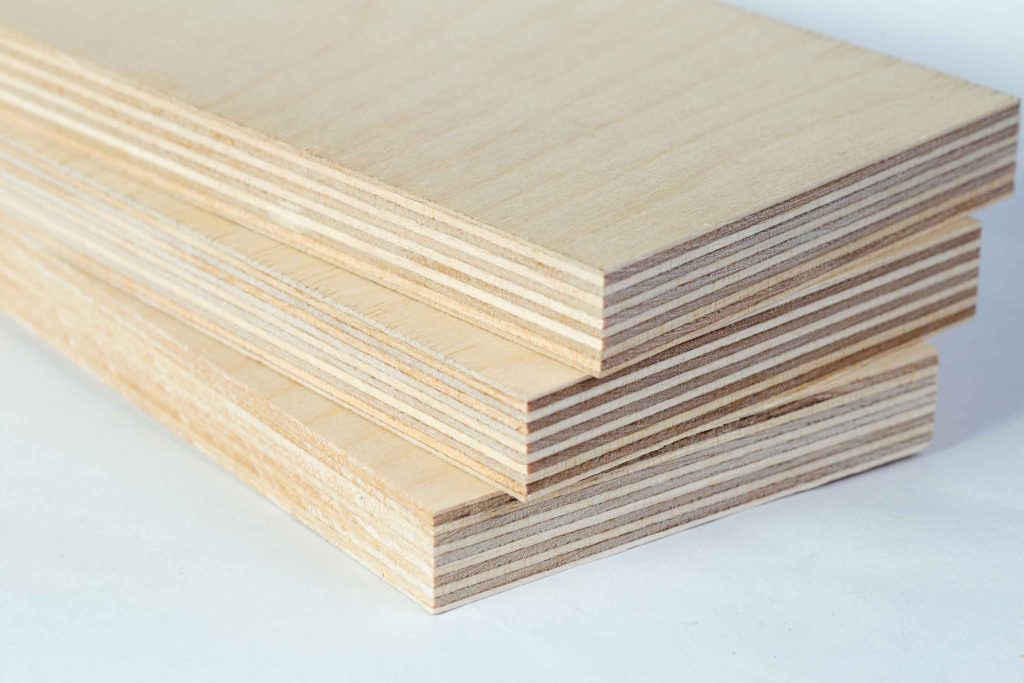
Quality plywood sheets use strong bonding adhesives. These help stop moisture from breaking the inner layers. Some variants also come with waterproofing features. These make the sheet more stable even in areas like kitchens or bathrooms where exposure to water is regular.
Performance Under Direct Sun and Heat
During summer, indoor temperatures shoot up. The surface of furniture becomes hot to touch. This causes stress on the glue used inside the plywood. If the glue is weak, the layers begin to separate. This leads to bubbling or breakage over time.
Good quality plywood sheets are pressed under high temperature. This gives them thermal strength. They stay firm even when the climate turns harsh. That is why such sheets are used in places like balconies, verandas and sun-facing rooms.
Winter Cracks and How to Avoid Them
When winter sets in, dry air removes all moisture from wood. This makes average plywood brittle. Small cracks form at the edges. With repeated use, these cracks expand. This may lead to damage near hinges or screws.
But seasoned plywood sheets are treated to resist dryness. They hold shape without becoming too hard. This helps furniture last longer across seasons. People do not need to worry about gaps forming or edges falling apart.
Why Weather-Resistant Plywood Is Cost-Effective
Initial cost may be slightly higher. But the long-term savings are far greater. Weather-resistant plywood needs fewer repairs. It does not demand frequent replacement. Paint and polish also stay intact for years. That saves time along with effort and money.
Such plywood also performs well in shifting indoor climates. Homes with air conditioners and heaters experience sudden temperature change. Ordinary wood cannot handle this shift. But engineered plywood sheets can.
Everyday Use Needs Seasonal Strength
People open cabinets multiple times a day. Kitchen surfaces face oil and steam. Shoe racks hold wet footwear. Bed boxes store heavy quilts and woollens. Each of these uses tests the plywood under different pressure.
Season-ready plywood sheets can carry this load without bending or cracking. They give homeowners peace of mind. No matter what time of year it is, furniture behaves the same way.
What to Check Before Choosing Plywood
Buyers must ask about seasonal performance. They must know how the board reacts to heat along with moisture and dry air. They should ask for proof of testing. Technical specifications must show pressure ratings and moisture absorption values.
Edge sealing, core filling and surface finish are all parts of this performance. When each layer is built to resist climate stress, the entire sheet stays stable.
Matching the Right Plywood to the Right Room
Not all areas inside a home face the same climate. Bathrooms have moisture. Bedrooms face heat from sunlight. Storage areas stay cold during winter. That is why the same plywood cannot be used everywhere.
Experts always match the plywood grade with the room’s exposure. This prevents seasonal damage and keeps interiors looking new for longer. It also avoids costly renovation work.
Final Thought
No matter where you live, the weather will test your home materials. Rain, heat and cold will put pressure on every surface. That is why it is wise to choose plywood sheets that stay stable across seasons. They support strength without giving up on design. In the case of houses that require support all year round, plywood resistant to weather is the wiser choice. This is why CenturyPly is trusted by the homeowners and professionals. Their plywood is constructed to take seasonal changes through Indian climatic conditions. That is why it is a secure and stable option.