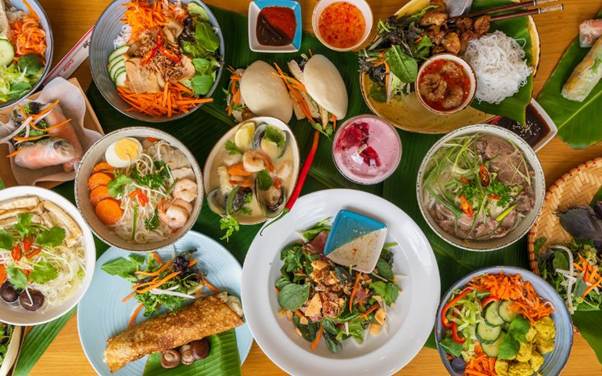
Vietnamese food looks approachable. Bowls of noodles. Plates of herbs. Grilled things that smell good from half a block away. That’s exactly why people think they understand it quickly—and why they get it wrong.
Food in Vietnam is regional in a very real way. The same dish name can mean different flavors, portion sizes, and expectations depending on where you are. Eat the “wrong” version in the wrong place and you’ll wonder what the fuss is about. Eat it where it belongs, and suddenly it clicks.
This guide is written the way I’d explain Vietnamese food to a traveler who already knows how to navigate Asia and just wants to eat well without chasing trends. If Vietnam is part of a deeper itinerary—especially one focused on history and daily life, like Vietnam cultural and heritage tour packages — food becomes one of the clearest ways to understand the country.
First: How Vietnamese Food Actually Works
Vietnamese food is built on balance, not intensity.
Sweet, sour, salty, bitter, fresh, rich—nothing is meant to dominate for long. Herbs matter as much as meat. Texture matters more than presentation.
Most people go wrong by eating the same dishes everywhere or sticking to “safe” restaurants. This is where trips often go wrong. Vietnam rewards curiosity and timing more than planning.
Breakfast is serious. Lunch is practical. Dinner is social and flexible.
Northern Vietnam: Subtle, Clean, and Disciplined
Northern Vietnam
Northern food is restrained. Less sugar. Less chili. More clarity.
If you expect bold flavors immediately, you might think it’s boring. Give it time.
Hanoi and the Red River Delta
Hanoi
Phở here is not the phở you’ve had elsewhere. The broth is clear and light, seasoned gently. Beef is sliced thin. Herbs are minimal.
Most people overload it with sauces. Don’t. Taste first.
Bún chả—grilled pork with noodles and herbs—is a lunchtime dish. Eat it when locals do, around midday. Late afternoon versions are often tired.
Egg coffee is worth trying once. It’s richer than it sounds. Best enjoyed slowly, not between errands.
Central Vietnam: Bold, Spicy, and Proud
Central Vietnam
Central Vietnam doesn’t hold back. Food here is smaller in portion but louder in flavor.
This region surprises people who think Vietnamese food is always gentle.
Huế: Food with Sharp Edges
Huế
Huế cuisine is spicy and intense. Chili is used deliberately.
Bún bò Huế is deeper and heavier than phở, with lemongrass and chili oil. It’s best eaten in the morning. That sounds strange until you try it.
Small dishes are common here. Order several. That’s how they’re meant to be eaten.
Hội An: Familiar, but Context Matters
Hội An
Cao lầu only makes sense here. Elsewhere, it’s a pale imitation.
The noodles are chewy, the pork is rich, the greens are local. Eat it once, then move on. Hội An is about variety, not repeating the same dish.
Avoid places that cater only to tourists. Walk a few streets away from the river.
Southern Vietnam: Sweet, Abundant, and Relaxed
Southern Vietnam
The south is generous with sugar, herbs, and portions. Food feels looser here.
Ho Chi Minh City: Everything at Once
Ho Chi Minh City
Saigon eats all day. Street food culture here is relentless.
Phở in the south is sweeter and heavier. More herbs. More sauce options.
Bánh mì is everywhere. Good bánh mì is about balance—crispy bread, not too much filling. If it falls apart halfway through, it’s badly assembled.
Broken rice (cơm tấm) is a Saigon staple. Grilled pork, egg, pickles, fish sauce. Simple and deeply satisfying.
The Mekong Delta: Freshness First
Mekong Delta
Food here follows the water. Fish, herbs, fruit.
Hotpots are common, built around sour broths and fresh ingredients.
Most travelers rush through the Mekong. Food-wise, that’s a mistake. Eat slowly here.
Street Food vs Restaurants: Know When to Choose
Street food is where Vietnam shines, but not all stalls are equal.
Look for turnover. Plastic stools. Short menus. Busy locals.
Restaurants make sense for dishes that require time—hotpots, clay pot meals, larger family-style spreads.
Avoid empty restaurants with laminated photo menus. This is where trips often go wrong.
Herbs, Sauces, and Customization
Vietnamese food is interactive.
Herbs come separately for a reason. Add gradually.
Fish sauce varies wildly by region and producer. If it smells harsh, use less. Good fish sauce smells rich, not aggressive.
Chili is optional almost everywhere. You control the heat.
Desserts and Sweet Things: Lower the Bar
Dessert is not the focus here.
Sticky rice, beans, coconut milk, fruit. That’s the general direction.
If you’re craving pastries, you’ll find them—but they’re not why you’re here.
Drinks That Matter
Iced coffee is strong. Don’t underestimate it.
Fresh sugarcane juice is refreshing but sweet. Share if you need to.
Beer is light and cheap. Bia hơi in the north is best enjoyed socially, not rushed.
Common Food Mistakes in Vietnam
- Eating the same dish in every region
- Overusing sauces immediately
- Skipping breakfast
- Avoiding street food entirely
- Expecting spice everywhere
Food and Cultural Travel in Vietnam
If you’re traveling on something deeper than a highlights trip—especially Vietnam cultural and heritage tour packages—food becomes part of the learning, not just a break between sights.
Regional meals tell you as much as museums do, if you pay attention.
Final Thoughts
Vietnamese food isn’t about chasing the “best” dish.
It’s about eating the right thing, in the right place, at the right time.
Do that, and meals stop being something you fit in—they become part of how you understand the country.
FAQs
1. Is Vietnamese food always light?
Mostly, but central dishes can be rich and spicy.
2. Is street food safe?
Busy stalls with high turnover usually are.
3. Do I need to speak Vietnamese to order?
No. Pointing works well.
4. Is vegetarian food available?
Yes, especially around Buddhist areas.
5. What’s the best meal of the day?
Breakfast. Easily.
6. Should I plan food stops ahead?
Not really. Region and timing matter more.