Food in Uganda doesn’t try to impress you. It tries to feed you well. Meals are practical, filling, and tied closely to daily routines. You eat what’s available, what’s seasonal, and what keeps you moving through the day.
Many travelers pass through Uganda focused on wildlife, landscapes, or family-friendly itineraries, especially those traveling on Uganda family vacation packages. Food becomes background noise. That’s understandable—but it’s also where most people miss something important.
Ugandan food is simple, but not careless. It’s about textures, starches, and sauces that make sense once you stop expecting variety and start paying attention to balance.
Matoke Is the Starting Point
If you eat one thing in Uganda, it will probably be matoke.
Matoke is steamed green bananas, mashed or left whole, often served with sauce. It’s mild, soft, and filling. On its own, it can feel bland. With the right accompaniment—groundnut sauce, beef stew, or beans—it works.
This is where trips often go wrong. People try matoke once, plain, decide it’s boring, and mentally move on. That’s like eating plain rice and judging the whole cuisine.
Matoke isn’t the star. It’s the base.
Groundnut Sauce Deserves Attention
Groundnut sauce (often called peanut sauce) shows up everywhere. Thick, rich, and slightly earthy, it pairs especially well with matoke, sweet potatoes, or rice.
It’s not spicy by default. It’s comforting. The kind of food that makes sense after a long travel day.
Some versions are smoother, others chunkier. Some kitchens add tomatoes or onions, others keep it simple. Try it more than once. The differences matter.
Posho, Rice, and the Starch Reality
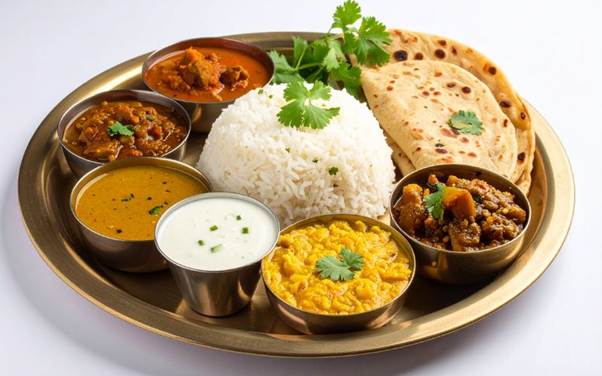
Ugandan meals revolve around starches. Posho (maize porridge), rice, matoke, cassava, sweet potatoes. Often more than one on the same plate.
This surprises people. It shouldn’t.
The starches are there to carry sauces and stews. Meat and vegetables are often supporting players, not the focus.
If you expect protein-heavy plates, you’ll feel underwhelmed. If you accept that fullness comes from starch, meals make sense.
Meat: Simple, Direct, and Often Grilled
When meat appears, it’s usually straightforward.
Goat, beef, chicken, sometimes pork. Grilled over charcoal. Served with little fanfare. No heavy marinades. No elaborate sides.
Muchomo (grilled meat) is common, especially in the evenings. You’ll find roadside spots with smoke drifting into the street and people standing around waiting for their portion.
A small warning: meat can be chewy. This isn’t fast-food tenderness. It’s about flavor and patience.
Rolex: Uganda’s Street Food Icon
Yes, it’s called a Rolex. No, it has nothing to do with watches.
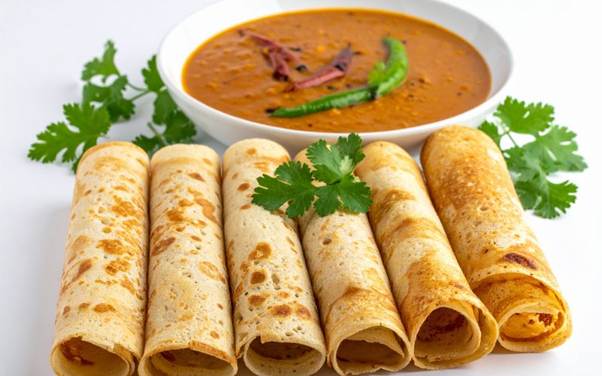
A Rolex is a chapati rolled with eggs and vegetables inside. That’s it. Cheap, filling, and everywhere.
It’s usually made fresh in front of you. Hot griddle. Quick hands. A few minutes later, you’re eating.
Most travelers either overthink it or skip it. Don’t. Eat at least one. Probably two.
Choose busy vendors. High turnover matters.
Beans, Greens, and Everyday Meals
Beans are a staple. Red beans, black beans, often slow-cooked and lightly seasoned. Served with rice or posho.
Greens like nakati and sukuma wiki appear often, sautéed simply with onions and oil. They’re not flashy, but they round out the plate.
These are everyday foods. What families eat at home. What you’ll eat if you stay anywhere long enough.
They don’t photograph well. They eat well.
Fish Near the Lakes
Near Lake Victoria and other water bodies, fish becomes more prominent.
Tilapia and Nile perch are common, usually grilled or fried. Served whole. Bones included.
This is where attention matters. Eat slowly. Watch for bones. It’s part of the experience, not a flaw.
Fresh fish meals tend to be better at lunch than late at night.
Breakfast Is Light (Until It Isn’t)
Breakfast can be simple—tea and chapati—or surprisingly filling with porridge or leftovers from dinner.
Ugandan tea is often made with milk and sugar. Strong and comforting.
If you’re heading out early for a long day, eating something starchy in the morning helps more than you think.
Fruit Is the Underrated Highlight
Mangoes. Pineapple. Jackfruit. Bananas. Avocado.
Fruit in Uganda is excellent, cheap, and widely available. Often eaten as snacks, not desserts.
This is one of the easiest ways to eat well without effort. Most people overlook it because they’re focused on meals.
Don’t.
Where and How to Eat
Local restaurants and canteens are your best bet. Buffets are common. You point. They serve. You eat.
Street food is popular but requires judgment. Busy vendors are safer. Freshly cooked food matters.
Wash your hands before eating. Many places provide water or sanitizer. Use it.
If you’re traveling with family or on Uganda family vacation packages, meals may be planned for convenience. When you have free choice, eating locally adds depth to the trip.
Final Thoughts
Ugandan food won’t overwhelm you with options. That’s intentional.
It feeds daily life. It supports long days, physical work, and movement. If you stop expecting variety and start noticing how things fit together, meals become satisfying in a quiet way.
Eat what locals eat. Repeat dishes. Try the same thing in different places. That’s where understanding comes from.
Whether you’re traveling independently or as part of Uganda family vacation packages, food here is less about discovery and more about rhythm. Once you find it, everything feels steadier.
FAQs
1. Is Ugandan food spicy?
Generally no. Most dishes are mild. Chili is added separately if you want heat.
2. Is it safe to eat street food?
Yes, if it’s freshly cooked and the vendor is busy. Use common sense.
3. Are vegetarian options available?
Yes. Beans, vegetables, matoke, and groundnut sauce are widely available.
4. What’s the biggest food mistake travelers make?
Judging meals after one dish or expecting variety on every plate.
5. Can I drink tap water?
No. Stick to bottled or treated water.
6. Is eating with hands common?
Yes, especially for local meals. Wash your hands first.
7. Should I tip in restaurants?
Tipping isn’t expected everywhere, but rounding up or leaving a small amount is appreciated.