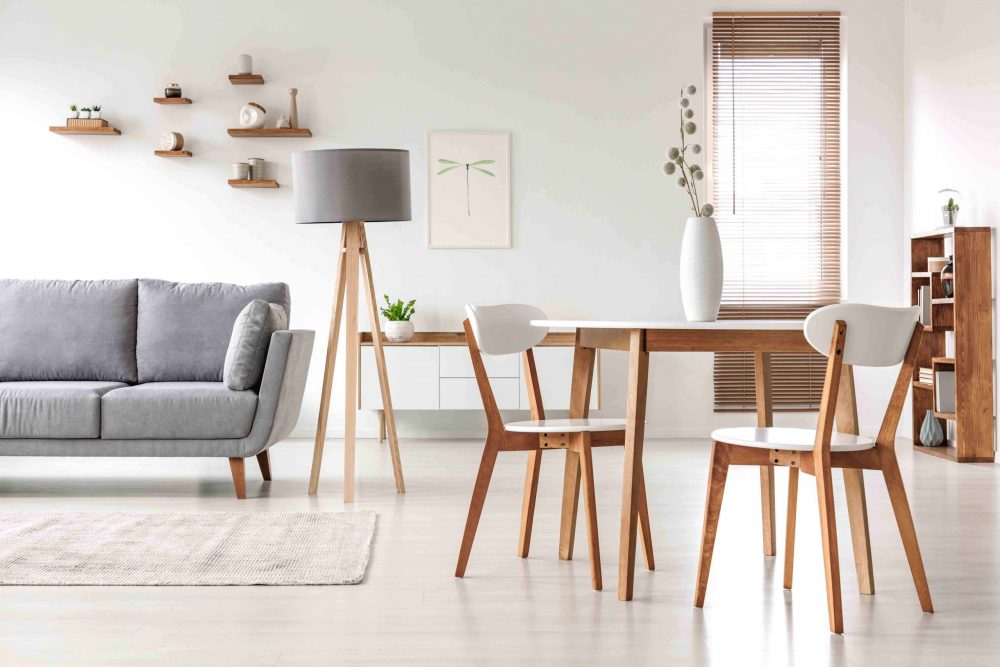
Every space depends on what holds it together. The walls might be strong and the paint might be new, but the furniture carries the daily load. From the bed frame to the kitchen cabinets to the study table, every unit needs a base that does not change with time or temperature. That is why builders and design professionals use plywood sheets to keep each part of the home grounded and safe.
Surface Finish Alone Cannot Hold a Structure
A room might look perfect when the paint is fresh and the lights are soft, but that polish hides what supports the design. If the plywood under the surface fails to hold, the panels will swell or break. Drawers will jam or wobble. Doors will open unevenly, and shelves will bend in the middle. That is what happens when plywood for home interiors is chosen without care or planning.
Furniture Lives Through Pressure That Changes Daily
Weight on a shelf changes depending on who is using it and how often it is opened or shifted. A wardrobe that works for one person might sag if someone else stores heavier items. A bed with drawers underneath must hold weight across both the mattress and the storage space. These pressure points can only be handled by plywood sheets that are dense, calibrated, and tested across load levels.
Moisture Must Be Expected, Not Avoided
Every home has rooms that face some level of dampness or wet air. Bathrooms and kitchens are the first to show these effects, but even closed wardrobes or overhead cabinets can trap steam or moisture. When you pick plywood for home use, that board must stand firm across weather cycles. If the edges start to swell or the joints start to loosen, it affects not just structure but also safety.
The Right Thickness Depends on the Job It Must Do
There is no one-size-fits-all when it comes to plywood sheets. A back panel might stay thin and light, but a vertical frame or a cabinet door needs more weight and strength. If the wrong sheet is used, it puts strain on the hinges and the handles. Over time, this leads to cracking or warping, which breaks the final look of the design. Sheet selection must match purpose, not just size.
Cabinet Frames Require More Than Just Shape
The way a cabinet frame is joined affects how long it will last. A board that holds screws better will allow the cabinet to stay aligned even after years of use. A board that reacts badly to drilling will start splitting at the corners. Choosing the right plywood for home cabinets is not just about design. It is about keeping movement and shape steady without damage.
Every Panel Must Accept Finish Without Compromise
Paint or polish or veneer must sit evenly on the surface. If the board underneath is rough or uneven, the finish will look patchy. Even a simple matte coat will highlight bumps or lines if the plywood is not clean. Most builders sand the board before finishing, but a high-grade plywood sheet needs less adjustment and holds polish better. That is how surface beauty comes from a strong core.
Storage Units Need Consistent Support on All Sides
Built-in storage runs across corners, walls, and awkward spaces. These units must feel seamless without showing where one sheet ends and the other begins. This only works when the plywood behaves the same across every part. If one part bends while another holds firm, the entire shape falls apart. That is why trained professionals prefer plywood sheets with controlled density and uniform strength across sheets and lots.
Fewer Repairs Come from Better Planning
Once the plywood swells or splits, the fix becomes expensive. Surface polish must be redone, and joints must be replaced. In some cases, the entire unit needs rebuilding. These costs are not always visible at the start, but they show up within the first year. Choosing plywood sheets with long-term performance in mind helps avoid these hidden repair cycles.
Five Checks Before You Finalise Your Plywood
- Does the board hold screws without cracking the edges
- Has the board been tested for moisture and weather changes
- Can the board take polish evenly without filling or sanding
- Is the thickness matched to the use case, not just the space
- Will the board stay flat without warping over time
Why Builders Trust CenturyPly for Everyday Home Builds
Every part of your home deserves support that holds steady through heat, weight, and weather. That strength comes from plywood for homes inside each panel. When you choose CenturyPly, you get plywood for home use that meets the needs of daily life without falling short on design. The surface feels better because the core stays stronger. That is how homes are built to last.