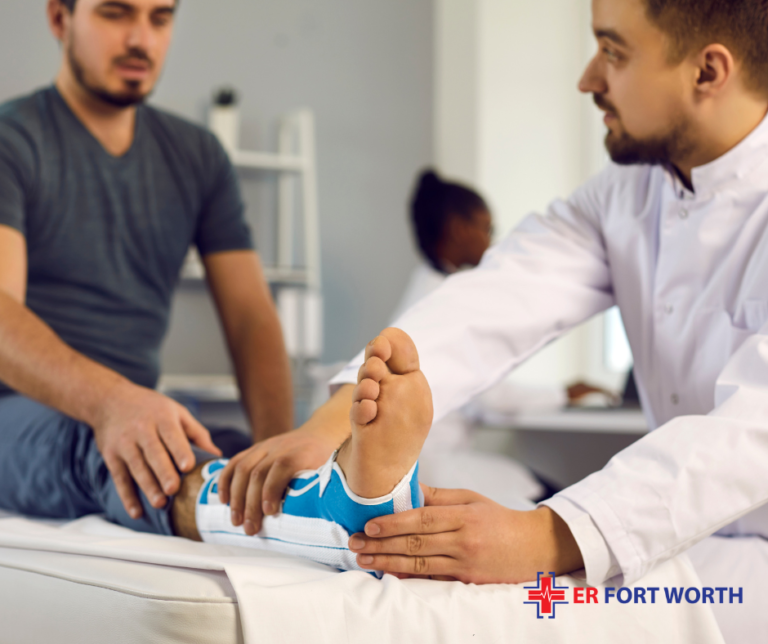
Understanding what qualifies as an Orthopedic Emergency is essential, especially in a mobile-first world where people constantly search for critical care options while on the move. Knowing when to seek help and where to go — can reduce complications, help long- term disability, and support brisk recovery. This companion explains the most critical orthopedic extremities you should fete and why timely action matters.
What Is an Orthopedic Emergency?
An orthopedic exigency is a condition involving the musculoskeletal system that needs critical evaluation and treatment. These extremities frequently involve
- Severe pain or disfigurement
- Loss of movement or sensation
- Heavy lump or bleeding
- Visible bone or common misalignment
Prompt medical care is essential to cover mobility and overall health.
1. Open (Compound) Fractures
An open fracture occurs when a broken bone pierces through the skin. This type of injury carries a high threat of infection and towel damage.
Key signs include:
- Bone visible through the skin
- Heavy bleeding
- Extreme pain and swelling
Immediate treatment is needed to clean the crack, stabilize the bone, and help infection.
2. Dislocated Joints
Common disruptions are when bones are forced out of their normal position, generally affecting shoulders, elbows, hips, or knees.
Symptoms to watch for:
- egregious common disfigurement
- violent pain
- incapability to move the common
Without prompt correction, disruptions can damage jitters, blood vessels, and girding napkins.
3. Severe Sports Injuries
High- impact sports can beget ligament gashes, muscle ruptures, or complex fractures. Injuries similar to ACL gashes or Achilles tendon ruptures frequently bear critical assessment.
Why they’re serious:
- unforeseen insecurity in the common
- lump and bruising
- Loss of strength or function
Early opinion improves recovery issues and reduces long- term damage.
4. Spinal Injuries
Spinal injuries are among the most critical orthopedic extremities due to the threat of whim-whams damage and palsy.
Warning signs include:
- Neck or back pain after trauma
- Tingling or impassiveness in branches
- Loss of movement or bladder control
Any suspected spinal injury should be treated as an exigency, with minimum movement until estimated by professionals.
5. Pelvic Fractures
Pelvic fractures generally affect high- energy trauma similar to auto accidents or severe cascade. They can involve internal bleeding and damage to near organs.
Common pointers:
- Severe hipsterism or groin pain
- Difficulty standing or walking
- Bruising around the pelvis
These injuries frequently bear advanced imaging and coordinated emergency care.
6. Crush Injuries
Crush injuries Do when a body part is compressed between heavy objects. They’re common in artificial accidents or natural disasters.
Implicit pitfalls include:
- Muscle and whim-whams damage
- cube pattern
- Rotation problems
Rapid treatment is necessary to restore blood inflow and help towel death.
7. Infections of Bones or Joints
Although lower egregious, infections like osteomyelitis or septic arthritis can come to orthopedic extremities if undressed.
Symptoms may include:
- Fever with common pain
- Greenishness and warmth around a common
- Limited movement
Early intervention helps help endless common damage and systemic infection.
When Should You Seek Immediate Care?
You should seek critical medical attention if you witness:
- unforeseen severe bone or joint pain
- Visible disfigurement or exposed bone
- Loss of movement or sensation
- Injury following a major accident
In similar cases, people frequently search for an emergency room near me to get presto, original care. Acting snappily can significantly ameliorate issues.
Why Timely Orthopedic Care Matters
Delaying treatment for orthopedic extremities can lead to:
- habitual pain
- Reduced mobility
- Long- term disability
- Increased recovery time
Quick opinion and proper operation help save function and support better mending.
How Emergency Teams Handle Orthopedic Emergencies
Emergency care for orthopedic injuries generally includes:
- Pain operation
- Imaging(X-rays, CT reviews, or MRIs)
- Stabilization using slivers or braces
- Surgical intervention when necessary
These ways aim to control damage, reduce pain, and prepare for recovery.
How Early Diagnosis Improves Recovery Outcomes
Early Opinion plays a pivotal part in managing orthopedic extremities effectively. When injuries are linked at an early stage, healthcare providers can help with complications similar to indecorous bone mending, habitual pain, or endless mobility issues. Prompt imaging and clinical evaluation allow for accurate treatment planning, which reduces recovery time and supports better functional issues. Beforehand intervention also helps minimize inflammation and towel damage, making recuperation smoother and further successful. In exigency situations, quick decision- timber and timely care can mean the difference between full recovery and long- term limitations, pressing the significance of not delaying medical evaluation.
The Importance of Post-Emergency Rehabilitation
Recovery from an orthopedic exigency does n’t end after original treatment. Post-emergency recuperation is essential to restore strength, inflexibility, and common stability. Physical remedy helps cases recapture movement safely while reducing the threat of reinjury. A structured recuperation plan also supports proper alignment and muscle balance, which are critical for long- term mobility. harmonious follow- up care ensures that mending progresses as anticipated and addresses any complications beforehand. By fastening on recuperation after exigency care, cases can return to diurnal conditioning with better confidence and reduced threat of unborn orthopedic problems.
Frequently Asked Questions
Q Can orthopedic extremities heal on their own?
No. utmost bear professional evaluation to help complications.
Q Are all fractures extremities?
Not all fractures are life- hanging , but numerous need critical care to ensure proper mending.
Q What should I do before reaching medical help?
incapacitate the injured area, avoid movement, and seek professional care as soon as possible.
The Role of Awareness in Better Outcomes
Understanding orthopedic extremities empowers individualities to act snappily and responsibly. mindfulness reduces fear, supports timely opinions, and improves recovery chances. In the moment’s mobile-first terrain, having access to clear, dependable information is just as important as access to care.
Conclusion
Orthopedic extremities can do without warning and have serious consequences if ignored. From fractures and disruptions to spinal injuries and infections, feting the signs beforehand is pivotal. Timely medical attention helps cover mobility, help complications, and ameliorate long- term quality of life. Staying informed ensures you’re set to respond effectively when every nanosecond matters.