Kenya doesn’t try to impress you with food on day one. That’s intentional. Meals here are practical, social, and tied closely to daily life. If you arrive expecting dramatic plating or spice-heavy surprises, you might miss what’s actually happening on the table.
Kenyan food is about rhythm. What you eat depends on where you are, the time of day, and who you’re eating with. It makes sense once you slow down and stop looking for “signature dishes” on menus written for visitors.
This guide is how I usually explain Kenyan food to travelers who already know how to move around and just want to understand what they’re eating and why it matters. If your trip combines wildlife and the coast—something like Kenya beach and safari combo tours—you’ll notice the food shifts as clearly as the landscapes do.
First, a Reality Check About Kenyan Food
Kenyan food isn’t built around heat. Spice exists, but it’s subtle. Most dishes are mild and balanced, designed to be eaten often, not as a one-time experience.
The core of most meals is starch plus something grilled or stewed. Corn, beans, greens, meat. Simple combinations, repeated well.
Most people miss the small things: roadside grills, breakfast snacks, and how meals change between regions. This is where trips often go wrong—eating only at lodges or hotels and wondering why everything tastes the same.
Nairobi: Where Everything Comes Together
Nairobi
Nairobi is chaotic, fast, and excellent for understanding Kenyan food if you step outside international restaurants.
Nyama Choma (Grilled Meat)
This is Kenya’s most social food. Goat or beef, grilled slowly over charcoal, served with salt and maybe a chili sauce on the side.
Eat it with friends. Eat it slowly.
Good nyama choma doesn’t need marinades. If the meat tastes heavily spiced, it’s often covering poor quality.
Ugali and Sukuma Wiki
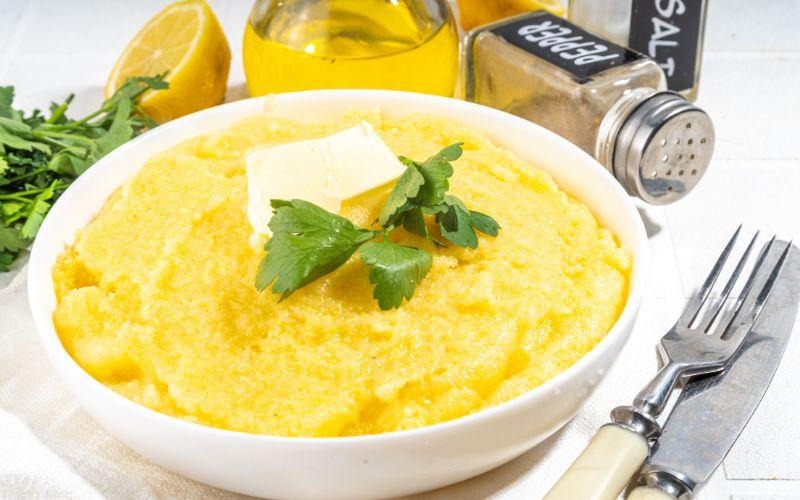
Ugali is a stiff maize porridge. It’s not meant to be exciting on its own. It’s there to carry everything else.
Sukuma wiki—collard greens cooked simply with onion—is the everyday vegetable that shows up everywhere. If it’s fresh and not overcooked, it’s excellent.
Most travelers don’t understand ugali at first. Eat it with your hands. Use it to scoop. That’s the point.
Central Kenya: Comfort Food and Tradition
Central Kenya
Food here is filling and practical, shaped by farming culture and cooler weather.
Githeri
A mix of maize and beans, sometimes fried with onions and spices.
It doesn’t look impressive. It’s deeply satisfying when done right.
This is one of those dishes people skip because it sounds boring. Don’t.
Mukimo
Mashed potatoes mixed with greens, peas, or corn. Dense, comforting, and often served with meat stew.
Eat this at lunch. It’s not light.
Western Kenya: Bold Flavors, Fewer Shortcuts
Western Kenya
Western Kenyan food has more punch. More fermented notes. More greens.
Fish from Lake Victoria
In towns near Lake Victoria, tilapia and Nile perch are common. Fried whole or stewed lightly.
If fish is fresh, it’s excellent. If it’s not, you’ll know immediately. Trust your instincts.
Fermented Dishes
Some foods here have sour notes that surprise first-time visitors. They’re not for everyone, but they’re worth trying once.
The Coast: Coconut, Spice, and Patience
Kenyan Coast
The coast is where Kenyan food shifts the most.
In places like Mombasa and Lamu, Swahili cooking takes over—more spice, more coconut, more rice.
Pilau
Spiced rice cooked with meat. Aromatic, not spicy.
Good pilau is fragrant and dry, not greasy. If it’s oily, it’s rushed.
Coconut Fish Curry
Lightly spiced fish cooked in coconut milk. Rich without being heavy.
Eat this with rice and something acidic on the side, like kachumbari (tomato and onion salad).
If your trip includes coast time as part of Kenya beach and safari combo tours, this is where food starts feeling like a highlight rather than background.
Northern Kenya: Sparse but Honest
Northern Kenya
Food here reflects the landscape. Simple. Limited. Purposeful.
Meat, milk, flatbreads. Not much variety, but what’s there is filling.
You won’t find many “must-try” dishes here, but eating locally helps you understand the region quickly.
Breakfasts and Snacks: Often Overlooked
Most travelers miss Kenyan breakfasts.
Mandazi
Fried dough, slightly sweet, best eaten fresh with tea.
Skip the dry ones sitting too long. Fresh mandazi are soft and addictive.
Chai
Milky, sweet tea with spices like ginger or cardamom.
If someone offers chai, say yes. It’s hospitality, not just a drink.
Desserts: Keep Expectations Low
Kenyan food doesn’t end with elaborate desserts.
Fruit is the usual ending. Mangoes, pineapple, bananas.
This is not a country for sugar-heavy finales. Accept that, and you’ll enjoy meals more.
Drinks Worth Noting
Tusker beer is everywhere. Cold, light, reliable.
Fresh fruit juices are excellent, especially passionfruit and mango.
Avoid ice in places that don’t look confident about water quality. This is where trips often go wrong.
Common Food Mistakes Travelers Make
- Eating only at lodges or hotels
- Expecting spicy food everywhere
- Skipping street grills
- Not washing hands before eating ugali
- Ignoring regional differences
Food on Combined Safari and Beach Trips
If you’re moving between parks and the coast—again, something like Kenya beach and safari combo tours—expect food to change dramatically.
Safari lodges prioritize consistency. Coastal towns prioritize flavor. Balance both.
Make time for at least a few meals outside structured settings.
Final Thoughts
Kenyan food doesn’t chase attention. It feeds people well, day after day.
Eat where locals eat. Accept simplicity. Notice regional shifts.
If you do that, meals stop being something you work around—and start becoming part of how you understand the country.
FAQs
1. Is Kenyan food spicy?
Generally no. Spice is aromatic rather than hot.
2. Is street food safe?
Busy, popular places usually are. Trust foot traffic.
3. Do people eat with their hands?
Yes, especially with ugali. Wash first.
4. Is vegetarian food available?
Yes, especially beans, greens, and starch-based dishes.
5. What’s the best region for food lovers?
The coast offers the most variety.
6. Should I plan meals ahead?
Timing matters more than planning.