If you’re considering Iran luxury holiday experiences, don’t make the mistake of focusing only on architecture and desert landscapes. The food is just as layered as the tilework in Isfahan and just as nuanced as the poetry you’ll hear quoted over tea.
Iranian cuisine isn’t loud. It doesn’t hit you with extreme spice or dramatic presentation. Instead, it builds slowly — herbs, saffron, dried limes, pomegranate, subtle sweetness balanced with gentle acidity. It’s thoughtful food. And if you pay attention, it tells you a lot about the country.
I’ve eaten my way through Tehran’s north-side restaurants, small family kitchens in Yazd, and traditional houses-turned-eateries in Shiraz. Here’s what you should actually look for — and what many travelers misunderstand.
Start with Rice. Always.
Rice in Iran isn’t a side dish. It’s the center of the table.
Persian rice (chelow) is long-grain, fragrant, and steamed in a way that creates tahdig — the golden, crispy crust at the bottom of the pot. Tahdig is prized. People quietly compete for it.
The first time I was offered tahdig in a family home in Shiraz, it was handed to me like a gift. That’s how you know it matters.
Most people miss this: rice dishes often look simple on top, but the magic is in the layering. Herbs, barberries, saffron water, slow steaming. Don’t rush through it.
Kebab Is Not Just Kebab
Yes, there’s kebab. But it’s not one-note.
Chelo Kebab is the classic — skewered grilled meat served with rice, grilled tomato, herbs, and sometimes raw onion. It sounds basic. It isn’t.
Koobideh (minced meat kebab) is juicy and lightly spiced. Barg (thin sliced beef or lamb) is more delicate. Joojeh (chicken, often saffron-marinated) can be surprisingly tender.
Here’s where trips often go wrong: travelers eat kebab every day because it feels familiar. But Iranian cuisine goes far beyond grilled meat. Have it once or twice. Then branch out.
That said, a late evening kebab in Tehran’s Darband district, eaten outdoors with families around you, is hard to beat.
Ghormeh Sabzi: The National Comfort Dish
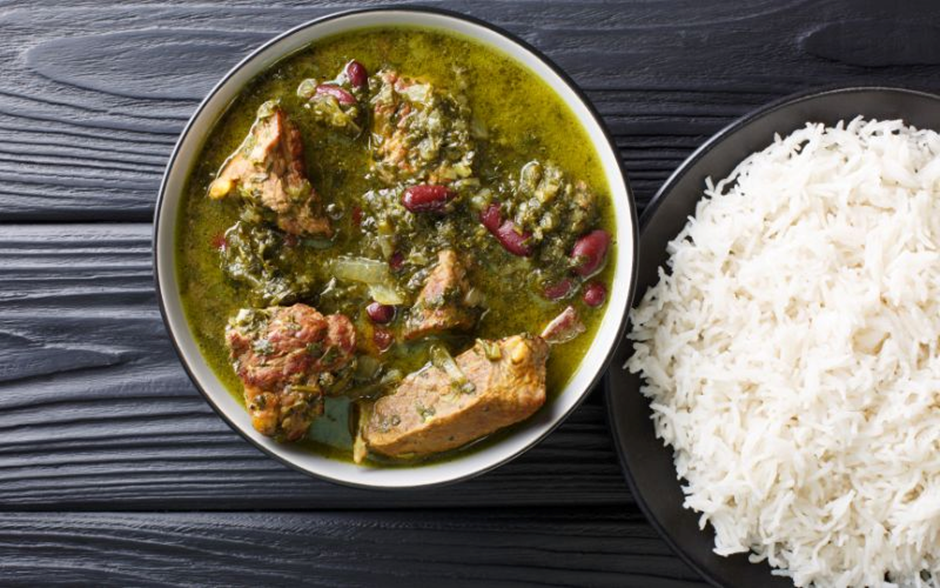
If you try one stew, make it Ghormeh Sabzi.
It’s a slow-cooked herb stew made with parsley, cilantro, fenugreek, kidney beans, dried lime, and usually beef or lamb. The flavor is deep and slightly sour from the lime.
It doesn’t look impressive. Dark green. Thick. But the taste is layered and comforting.
I had it in Yazd in a small courtyard restaurant with blue tiles and potted plants. It arrived quietly, no presentation tricks. One bite and you understand why Iranians talk about it with pride.
Order it with rice. Break the dried lime slightly into the stew for extra tang if you like bold flavors.
Fesenjan: Sweet, Sour, and Unexpected
Fesenjan surprises people.
It’s a rich stew made from ground walnuts and pomegranate molasses, usually with chicken or duck. The flavor is sweet and sour at the same time.
Some versions lean sweeter. Others more tangy. It depends on the region and the cook.
If you think savory food shouldn’t be sweet, this might challenge you. But when done well, it’s balanced and luxurious. In more refined restaurants — especially those included in curated Iran luxury holiday experiences — you’ll often find beautifully executed versions of this dish.
Pair it with saffron rice. Take your time with it.
Dizi (Abgoosht): Hands-On and Traditional
Dizi, also called abgoosht, is old-school comfort food.
It’s a stew of lamb, chickpeas, potatoes, tomatoes, and dried lime, cooked slowly in a clay pot. But here’s the twist — you don’t just eat it as-is.
First, you pour the broth into a bowl and eat it with bread. Then you mash the solids together into a thick paste and eat that separately.
Most tourists don’t know this and sit there staring at the pot. Don’t be shy — ask someone nearby how they eat it. Iranians are usually happy to show you.
It’s hearty. Heavy. Best enjoyed at lunch.
Street Snacks and Quick Bites
Iran isn’t big on street food in the Southeast Asian sense, but you’ll find casual eats.
Falafel in southern cities like Shiraz can be excellent — spicy, cheap, and filling.
Ash reshteh is a thick noodle and herb soup often sold in simple eateries. It’s topped with fried onions and yogurt. Comforting, especially in cooler weather.
Saffron ice cream (bastani sonnati) with pistachios and sometimes bits of frozen cream is worth trying. It’s fragrant and not overly sweet.
And then there’s fresh juice shops. Pomegranate juice in season is unforgettable.
Bread and Breakfast Culture
Bread (nan) is everywhere. Sangak, barbari, lavash — each with its own texture.
In Tehran, I once walked past a bakery early in the morning and followed the smell. Within minutes, I was handed hot sangak folded into paper. No English spoken. No need.
Breakfast in Iran is usually simple: bread, feta-style cheese, walnuts, herbs, honey, tea. Light but satisfying.
Don’t expect big Western hotel buffets unless you’re staying in higher-end properties. Even then, local breakfast is worth choosing.
Tea, Always Tea
Tea (chai) is constant. Strong, dark, served in small glasses.
Often it’s accompanied by sugar cubes that you hold between your teeth while sipping. It sounds odd, but it works.
Tea houses, especially traditional ones in Isfahan or Kashan, are good places to slow down. Order tea. Sit. Watch. Food in Iran is as much about pacing as flavor.
What You Should Know Before Eating in Iran
A few practical notes:
- Iranian food is not very spicy. If you like heat, ask for extra chili.
- Portions are generous, especially with rice.
- Hospitality is real. You may be offered food frequently. Accepting at least a small portion is polite.
- Vegetarian options exist, but many stews contain meat. Clarify clearly if needed.
- Dining out can feel slower than expected. Relax into it.
Most importantly, don’t rush meals. Iranian cuisine rewards patience.
Final Thoughts
Iranian cuisine isn’t about bold spice or flashy presentation. It’s about balance. Herbs against meat. Sweet against sour. Crunchy tahdig against soft rice.
If you approach it with curiosity — and avoid defaulting to kebab every night — you’ll discover one of the most underrated food cultures in the region.
Try ghormeh sabzi. Order fesenjan at least once. Learn how to eat dizi properly. Sit in a tea house without checking the time.
Food in Iran isn’t just fuel between sightseeing stops. It’s part of how you understand the rhythm of daily life.
And if you let it, it becomes one of the strongest memories you take home.
FAQs About Iranian Cuisine
1. Is Iranian food spicy?
Not typically. Flavors are aromatic and balanced rather than hot. You can ask for chili on the side if you prefer spice.
2. Are there vegetarian options in Iran?
Yes, but you need to ask clearly. Some stews may appear vegetarian but contain meat stock. Dishes like ash reshteh or certain rice preparations can work well.
3. Is it safe to eat street food in Iran?
Generally yes, especially in busy places with high turnover. Use normal travel caution and choose clean, popular spots.
4. What’s the most traditional dish to try?
Ghormeh sabzi is widely considered the national comfort dish and is a good starting point.
5. Do restaurants accept credit cards?
International credit cards usually don’t work due to sanctions. Carry enough local currency.
6. Is alcohol available in Iran?
No. Alcohol is prohibited. Non-alcoholic beers and drinks are widely available instead.
7. What’s the biggest dining mistake travelers make?
Sticking only to kebab and not exploring stews and regional dishes. Iranian cuisine is far more diverse than grilled meat.