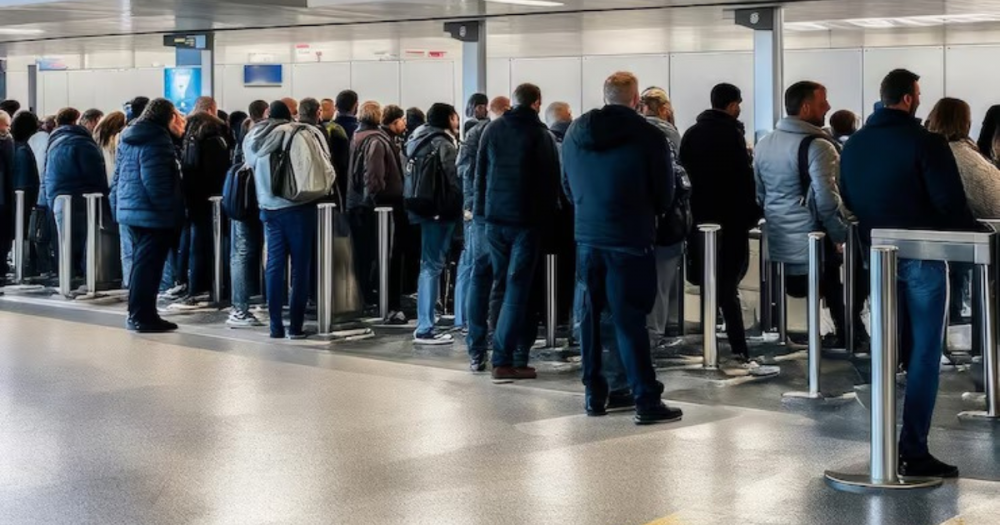
Every business has queues. But not every business understands what those queues are really doing.
They’re not just slowing people down, they’re quietly:
- Driving customers away
- Lowering staff efficiency
- Damaging your brand experience
In retail, long lines lead to abandoned carts. In healthcare, they impact patient satisfaction. In banking and government services, they create frustration that people remember long after they leave.
Here’s the uncomfortable truth: Most queue management system software doesn’t actually reduce wait time; they just make waiting look more organized.
If you’re investing in a solution, you need more than digital tokens and display screens. You need a system that actively reduces waiting, not just tracks it.
This guide will help you choose exactly that.
Why Most Queue Management Systems Fail
Before choosing the right system, you need to understand why so many fail.
1. They Digitize Queues Instead of Eliminating Them
Many systems replace physical lines with digital ones. But the experience doesn’t change.
Customers still have to wait. They’re just staring at a screen instead of standing in a line. That’s not transformation. That’s decoration.
2. No Real-Time Decision Making
Traditional systems don’t adapt.
- Staff remains unevenly distributed
- Peak hours overwhelm operations
- Bottlenecks are hard to see
Your Systems can not respond to problems quickly due to a lack of real-time intelligence about what is wrong.
3. Zero Visibility Into Customer Flow
If you can’t measure it, you can’t fix it.
Most businesses don’t know:
- When their peak hours actually hit
- Where delays happen
- Why customers leave
Without this data, improving wait time becomes guesswork.
What “Reducing Wait Time” Actually Means
Let’s reset the definition.
Reducing wait time isn’t just about speed; it’s about flow.
Three Things That Actually Matter:
- Physical Wait Time → How long customers stand or sit
- Perceived Wait Time → How long it feels like they waited
- Service Flow Efficiency → How smoothly customers move through the system
Modern systems don’t just manage queues. They orchestrate the entire customer journey: before, during, and after the visit.
7 Must-Have Features in a Queue Management System
If a solution doesn’t include these, it won’t reduce wait time in any meaningful way.
1. Virtual Queuing (Eliminate Physical Lines)
Let customers join queues remotely via:
- QR codes
- Mobile apps
- SMS
Instead of standing around, they can:
- Shop
- Wait in their car
- Arrive just in time
Impact: Less crowding, better experience, reduced perceived wait time.
2. Smart Appointment Scheduling
Walk-ins create chaos. Smart queuing system controls demand before it arrives.
- Allow pre-booking
- Balance traffic across time slots
- Reduce peak-hour overload
Impact: Fewer surprises. More predictable operations.
3. Real-Time Queue Intelligence
This is where most systems fall short.
You need:
- Live dashboards
- Queue status monitoring
- Instant alerts for delays
Impact: Faster decisions, fewer bottlenecks.
4. Automated Customer Communication
Silence makes waiting feel longer.
Smart systems send:
- SMS updates
- WhatsApp alerts
- Real-time notifications
Customers know exactly:
- When it’s their turn
- How long will they wait
Impact: Lower anxiety, better experience.
5. Self-Service Check-In (Kiosks)
Front desks slow everything down.
Self-service kiosks allow customers to:
- Check in instantly
- Select services
- Enter details without staff help
Impact: Faster onboarding, reduced staff workload.
6. Intelligent Staff Allocation
Not all customers need the same service.
Advanced systems:
- Route customers based on needs
- Balance workloads across staff
- Reduce idle time and overload
Impact: Faster service delivery without increasing staff.
7. Advanced Analytics & Insights
This is where real improvement happens.
Look for:
- Peak hour analysis
- Service time tracking
- Customer drop-off insights
Impact: Continuous optimization based on real data, not assumptions.
What This Looks Like in the Real World
Healthcare
- Patients pre-register, get time slots, and avoid crowded waiting rooms.
- Doctors see better-managed patient flow.
Retail
- Shoppers join virtual queues during peak hours instead of leaving.
- Stores reduce walkaways and increase conversions.
Banking
- Customers are routed based on service needs—loans, accounts, or cash.
- No more one-size-fits-all queues.
Government Offices
- Appointments control daily footfall.
- Citizens spend less time waiting and more time getting things done.
Questions Every Decision-Maker Should Ask
Before choosing a system, get brutally honest answers to these:
- Does it eliminate queues or just digitize them?
- Can it adapt in real time during peak hours?
- Will it scale across multiple locations?
- Does it provide actionable insights or just reports?
- How quickly can it show measurable results?
If a vendor can’t answer these clearly, they’re selling you software, not a solution.
The ROI Most Businesses Overlook
The right system doesn’t just improve operations; it transforms outcomes.
What You Gain:
- Higher customer satisfaction → better retention
- Increased staff efficiency → lower operational cost
- Fewer walkaways → more revenue
- Data-driven decisions → long-term growth
The Cost of Choosing Wrong
This is where many businesses lose.
A poor system leads to:
- Long queues despite “digital upgrades.”
- Frustrated customers
- Wasted investment
- Operational breakdowns during peak hours
And the worst part?
You won’t realize it until it’s too late.
What a Future-Ready Queue Platform Looks Like
The next generation of queue management solutions isn’t about queues at all.
It’s about complete customer flow control.
A future-ready platform should offer:
- Omnichannel entry (walk-in, online, mobile)
- Intelligent routing and automation
- Real-time operational visibility
- Seamless integrations
- Enterprise-grade scalability
This is where businesses stop reacting and start controlling demand.
Final Thought: Stop Managing Queues. Start Eliminating Waiting.
If your current system still relies on lines, physical or digital, it’s already outdated. The real goal isn’t to manage queues better. It’s to make them irrelevant.
Because in today’s experience-driven world, the business that respects customer time wins.
Leading enterprises aren’t just managing queues anymore; they’re redesigning how customers move through their business. If you’re serious about reducing wait time (not just tracking it), it’s time to rethink your approach.
Is your current system reducing wait time—or just making it look organized?