Hong Kong doesn’t ease you into its food scene. It throws you straight into it—bright lights, fast movement, overlapping smells, and menus that don’t wait for you to catch up. If you hesitate too long, someone else takes your seat. That’s not rude. That’s just how eating works here.
Food in Hong Kong is constant. Early mornings, late nights, tiny snacks between errands. It’s one of the few cities where street food, humble cafés, and high-end dining all feel connected rather than separate worlds.
This guide is written the way I’d explain Hong Kong food to someone who already travels well and doesn’t need a beginner’s checklist. It’s about what to eat, where it makes sense, and what people often misunderstand. If your trip leans more curated—something like Hong Kong luxury holiday experiences—this helps you balance polish with the everyday places that actually define the city.
First, Understand How Eating in Hong Kong Really Works
Hong Kong food culture is fast and practical. Meals are rarely drawn out unless it’s dim sum or a special dinner.
Portions are smaller than you might expect. That’s intentional. You’re meant to eat more often, not more at once.
Most people go wrong by sitting down too much. Hong Kong rewards grazing. A bowl here. A snack there. Dinner later.
And yes—English is widely spoken, but menus aren’t always designed for explanation. Confidence helps.
Street Food Isn’t a Category—It’s a Habit
Hong Kong
Street food here isn’t about night markets with long rows of stalls. It’s more scattered and integrated into daily life.
Fish Balls and Curry Snacks
Fish balls are everywhere. Chewy, bouncy, served plain or drowned in curry sauce.
If the curry smells sweet and spicy at the same time, you’re in the right place.
Skip places where fish balls look pale and lifeless. Texture matters more than flavor here.
Egg Waffles (Gai Daan Jai)
Crisp on the outside, soft inside, eaten hot from the bag.
Eat them fresh. Sitting around kills them quickly.
Most people buy one and walk away while it cools. That’s a mistake. Eat it immediately.
Cha Chaan Teng: The City’s Real Dining Room
Cha chaan tengs are Hong Kong’s everyday cafés. Loud, fast, and deeply local.
Milk Tea and Toast
Hong Kong–style milk tea is strong, smooth, and unapologetic. It’s strained repeatedly to get the texture right.
Order it hot first. Iced versions come later.
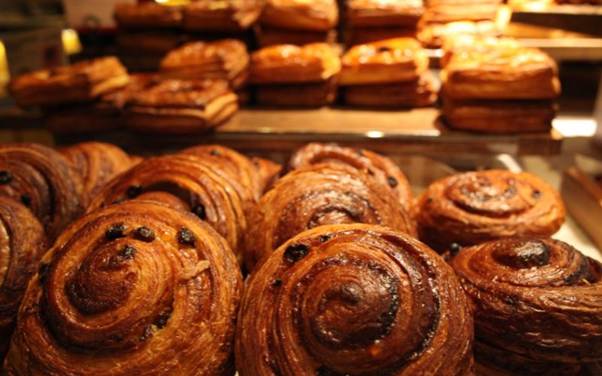
Pineapple bun with butter is exactly what it sounds like—and better than it should be.
Set Meals
These places run on combos. Soup, main, drink. Don’t customize too much. The system works for a reason.
This is where trips often go wrong—people expect café culture. This is canteen culture. Eat and move.
Dim Sum: Timing Is Everything
Dim sum
Dim sum isn’t brunch here. It’s late morning to early afternoon food.
Go early. By noon, popular places are already tired.
What to Order (and What to Skip)
Shrimp dumplings and pork siu mai are the baseline. If those aren’t good, nothing else will be.
Skip novelty items until you’ve covered the basics.
Tea matters. It’s not optional. It cuts the richness.
Roast Meats: Simple, Serious, and Daily
Roast duck, char siu, and soy sauce chicken are everyday foods, not special-occasion dishes.
Look for places with meat hanging in the window and a line that moves fast.
Order small portions. Mix and match. Rice on the side.
If the skin isn’t glossy, keep walking.
Seafood: Let It Be What It Is
In older fishing neighborhoods and outlying islands, seafood is straightforward.
Steamed fish. Ginger. Scallions. That’s it.
Avoid places with laminated “tourist seafood” menus showing prices per gram in aggressive fonts. This is where trips often go wrong.
If you don’t see tanks or daily specials written simply, it’s probably not worth it.
Neighborhood Matters More Than Restaurant Names
Central is polished. Reliable. Often expensive.
Sham Shui Po is rougher around the edges and better for cheap eats.
Sham Shui Po
This is where you’ll find excellent tofu desserts, noodle shops, and bakeries that don’t care about aesthetics.
Follow crowds. Ignore Instagram.
Desserts: Quiet, Not Loud
Hong Kong desserts are gentle.
Tofu pudding, mango sago, herbal jellies.
They’re meant to cool you down, not end the meal with a sugar spike.
If you want cake, bakeries exist—but that’s not the point here.
Late-Night Eating: The City Doesn’t Sleep
Some of the best meals happen after 10 p.m.
Congee shops, noodle stalls, dessert places.
If you’re hungry late, you’re not doing anything wrong. You’re doing it right.
High-End vs Everyday: How to Balance Both
Hong Kong has some of the world’s best fine dining. That’s true.
But if your trip includes Hong Kong luxury holiday experiences, don’t let that be the whole story. Eat well, yes—but also eat normally.
The city makes more sense when you’ve had a plastic-stool meal and a white-tablecloth one in the same day.
Common Food Mistakes in Hong Kong
- Sitting down for every meal
- Eating dim sum too late
- Ignoring neighborhood context
- Over-ordering at cha chaan tengs
- Chasing “famous” places instead of busy ones
Final Thoughts
Hong Kong food isn’t about searching. It’s about responding.
Eat what’s nearby. Eat when you’re hungry. Move on.
If you do that—mixing street snacks, café meals, and the occasional splurge—food stops feeling overwhelming and starts feeling like part of the city’s rhythm.
And that rhythm is the reason so many people keep coming back.
FAQs
1. Is street food safe in Hong Kong?
Yes. Hygiene standards are generally high.
2. Do I need reservations everywhere?
Only for popular fine-dining spots.
3. Is it okay to eat alone?
Completely normal.
4. Is tipping expected?
No. Service charge is usually included.
5. Are vegetarian options available?
Yes, especially desserts and noodle dishes.
6. Is English enough to order food?
Usually, yes—pointing also works.