In 2026, most fleet managers are asking one simple question. Should we keep managing fleets manually, or move to GPS tracking software? If you feel the same way, this guide is for you. By the end of this post, you’ll know exactly which approach wins on cost and when GPS tracking software is actually worth it.
On paper, manual tracking looks manageable. Calls, spreadsheets, driver check-ins, for a small fleet; it holds. But once you are managing hundreds of vehicles across multiple routes, the cracks show: missed ETAs, untracked fuel use, no visibility when something goes wrong.
Continue reading this to know in detail.
4 Major Hidden Costs of Manual Fleet Management
Manual tracking feels free. No subscriptions, just spreadsheets, phone calls, and a system your team already knows. But it comes with hidden costs that directly impact your profit margins and ROI.
Here are the hidden costs of manual tracking:
Limited Visibility
Lack of visibility is usually the first gap you face with manual tracking. You have no idea where your vehicles are, what your drivers are doing, and where your fuel is going.
Human Errors
In manual fleet management, most problems don’t come from big failures. They come from small, everyday human errors. Drivers forget updates, fuel logs get missed or filled later, and vehicles get double-assigned. Over time, these small gaps start affecting cost and control.
Fuel Costs
In manual tracking, managers don’t always know how fuel is actually being used. Drivers may take longer routes, idle more, or refuel without proper records.
Safety Risks
Safety is one of the major concerns in manual fleet tracking. Over speeding, harsh braking, or fatigue often go unnoticed during daily operations.
What is GPS Tracking Software?
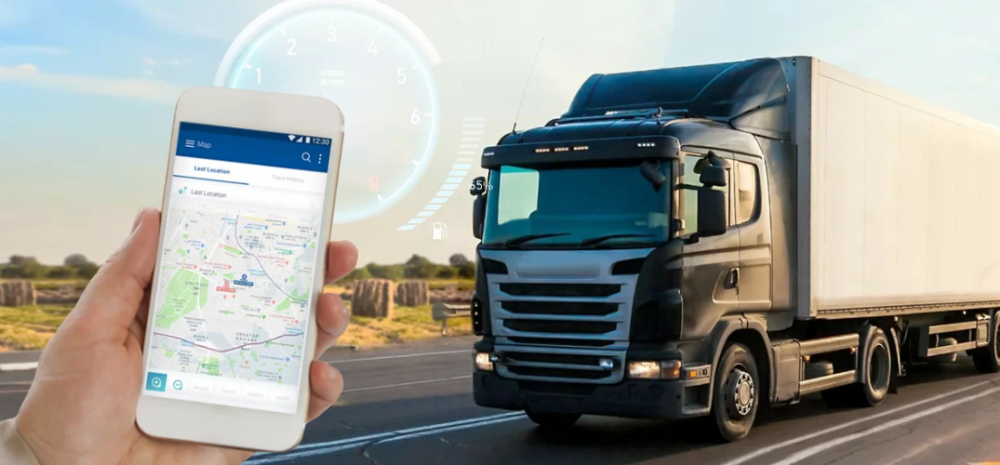
GPS tracking is often part of a broader fleet management software that offers features like fuel monitoring, route optimization, and driver behavior monitoring.
By using this, managers can track vehicle location in real time, monitor routes, and ensure deliveries stay on schedule. It also helps control fuel usage, improve driver performance, and reduce operational inefficiencies across the fleet.
How GPS Tracking Software Saves Cost and Time?
GPS tracking solutions help you save cost by offering real-time visibility, live tracking, and geofencing capabilities. It allows you to keep a bird’s eye view on both your vehicles and drivers. So, you can ensure their safety and control costs.
Read on to find out how.
Better Route Optimization
It allows you to plan optimized routes for your deliveries to reduce fuel usage and ensure ETAs. If any driver is taking longe routes than expected, it will send you instant alerts. So, you can instantly take corrective actions.
Monitor Vehicle Activity
GPS tracking system offers real-time visibility across your fleets. You can track the movement and status of your fleet. This includes which one is active, sitting idle, or completed their deliveries, all from one dashboard. This helps you to cut costs by reducing idle time and preventing unnecessary trips.
Reduced Fuel Consumption
Fuel is the biggest expense for fleet managers like you. GPS tracking helps you save on this through solutions like fuel monitoring software. It gives you complete insights about fuel usage, refills, or instant drops.
Prevent Unauthorized Usage
Driver habits like harsh braking, over speeding, and unnecessary stops directly increase fuel and maintenance costs. GPS tracking software helps you monitor driver behavior and identify such patterns. So, you can take corrective actions and improve driving habits.
Lower Maintenance Costs
Fleet management software sends timely maintenance alerts based on vehicle usage and performance data. This helps you service vehicles on time, prevent unexpected breakdowns, and avoid costly repairs.
GPS Tracking Software vs Manual Fleet Management
| Cost Area | Manual Tracking | GPS Tracking Software |
| Fuel Costs | High fuel consumption | Route optimization, fuel sensors, and real-time tracking reduce unnecessary fuel usage. |
| Idle Time | Idle hours go unnoticed | Idle time monitoring with instant alerts |
| Maintenance | High repair costs and downtime | Automated maintenance alerts based on run hours, distance, and engine data |
| Unauthorized Usage | Off-route trips and after-hours usage | Geofencing and real-time alerts flag unauthorized movement instantly |
| Driver Behavior | No visibility into harsh driving, over speeding, or misuse | Driver behavior monitoring with alerts for harsh braking, over speeding, and misuse |
| Delays & Reattempts | No live updates | Live tracking, ETA updates, and route adjustments to reduce reattempts. |
| Operational Visibility | Limited visibility | Centralized dashboard with live fleet status |
Conclusion
GPS tracking software brings more control into daily operations. You can keep an eye on fuel usage, manage delays, and avoid inefficiencies like fatigue, route deviations, and fuel theft. So, you can reduce unnecessary costs, improve fleet usage, and keep operations running as planned.
If you are someone figuring out why your expenses are higher than your ROI, then it’s time to switch to the solution, fleet management software.