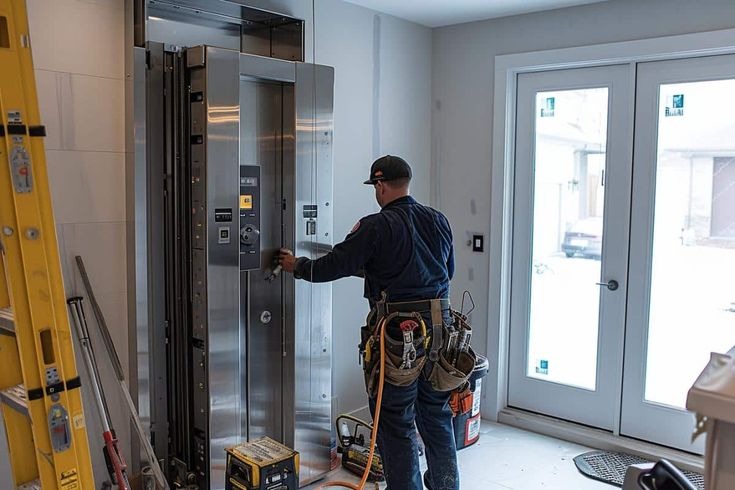
Vertical transportation systems play a crucial role in a commercial building’s ability to move people from floor to floor in a building. Lifts are crucial for the smooth operation and traffic flow of offices, shopping centres and high-rise buildings. The time it takes and any technical issues that may occur in setting up could impact future performance, safety, and building efficiency. However, sound planning and engineering coordination are still necessary from the initial construction phase to ensure that the use of the construction does not result in problems later.
Structured engineering process that brings together architectural planning and mechanical/electrical system integration in such projects. In commercial lift installations where precision and reliability are paramount, it is essential for designers, contractors, and lift engineers to coordinate their efforts to ensure the safe installation of the lift, system reliability, and smooth flow of operations, all while ensuring compliance with safety standards.
Planning and Engineering Design Behind Commercial Lift Installation
Site Evaluation and Structural Feasibility
All projects start with an evaluation of the site. Engineers do structural, load-bearing and shaft space analysis of buildings. This step is to check if the building is suitable for a lift system for safety reasons. Long-term system stability is important and is related to structural alignment.
Lift Type Selection for Commercial Use
All buildings are not created equal, and thus do not need the same lift system. Passenger lifts are used in offices and malls, and freight lifts are for goods and equipment. When buildings are tall and have a large traffic load, high-speed lifts are provided. They are chosen according to the usage, capacity, and height of buildings.
These decisions are the first to be made when installing lift commercially, since they enable the system to be compatible with the building’s requirements and structure.
Step-by-Step Process of Commercial Lift Installation
Shaft Construction and Structural Preparation
Shaft preparation is the first step to the installation process. Builders make sure that the shaft is installed in the proper position in the building. The reinforcement work is necessary to make it stable to be used for the long term. Alignment errors, no matter how small, will have an impact on the lift performance.
Mechanical System Installation
This is the time when large mechanical parts are being installed. The heart of the system is comprised of motors, cables, counterweights and rails. All parts have to fit snugly to be able to move together. Mechanical balance is crucial to safe operation.
Electrical and Control System Setup
Lift movement and automation are controlled by electrical systems. Installation of control panels, wiring networks and sensor systems by engineers. These control the speed of a vehicle, door operation and stopping accuracy. Mechanical and electrical parts are coordinated in a smooth manner with the proper configuration. The manufacturing of the lifts for the commercial sector goes along these lines, while being closely monitored and accurately executed by engineers.
Safety Standards During Commercial Lift Installation
Regulatory Compliance Requirements
Installation of lifts should be in accordance with building safety codes and engineering regulations. Authorities have exacting standards for structural safety and standards of operation. Compliance will ensure that systems comply with the legal and technical aspects.
Technician Roles and Installation Protocols
Installation is done by certified technicians. They do have protocols to follow when they are putting systems together and assembling them. All the steps are done based on engineering documentation and safety instructions to minimize the risk of operation.
Risk Control During Installation
Throughout all stages of installation, safety is an issue. Protective systems are used to prevent accidents between teams. Properly controlled procedures are followed when handling equipment. Sensitive operations are not allowed to occur in work zones.
The continuous safety checks for the compliance of commercial lifts and to minimize operation risks are required.
Testing and Commissioning After Installation
Load Testing and Performance Checks
Installation is followed by load testing by engineers. These tests are used to assess the strength of the system and stability of its movement. Performance checks facilitate easy travelling from floor to floor under varying load conditions.
Emergency System Verification
In-depth checks are made on emergency systems. The functionality of backup power, alarm systems and emergency brakes is checked. These systems are activated when there is a failure in electricity or technical failures.
Final Inspection and Approval Process
Final inspection makes sure that the system is ready. Safety records reviewed and performance reports by authorities. Once approved, the lift system can be put into use in the building.
Common Challenges in Commercial Lift Installation Projects
- Structural Alignment Issues
If misaligned, it will cause installation issues during operation. Positioning the shafts is a critical and important consideration for the engineers to prevent future problems. One of the crucial factors in this step is precision. - Electrical System Delays
The installation of the electrical system can be complex and time-consuming, and sometimes it can encounter issues with the wiring or integration with other systems. These delays can be reduced by making sure that there is effective coordination between teams.
- Space Constraints in Existing Buildings
In older buildings it may prove difficult to fit new lifts. Engineers modify plans to ensure that they are feasible for the structure. - Coordination Between Contractors
There are several construction projects. If there is a lack of co-ordination, the installation process could be delayed. Communication helps to ensure smooth execution.
Importance of Professional Oversight in Lift Installation
Engineering Accuracy and Compliance
All the steps of installation are adhered to with professional oversight, and it ensures engineering standards for all of them. Design alignment, integration into the structure and configuration of the system are under the control of experts to ensure precision. Careful consideration of each stage is given to ensure it meets building codes and safety standards. This minimises the chances of technical issues and conveys a reliable lift performance within the commercial infrastructure requirements.
Long-Term System Performance
The right installation can impact system life and operation stability. A well-assembled mechanical and electrical assembly will minimise wear, vibration problems and unforeseen failures. Built-in, from the start, engineers make sure that all parts function in sync. This is a systematic method to ensure the system always performs the same and requires less long-term maintenance for commercial systems that have high usage.
Safety Assurance for Building Users
The installation procedure and supervision of the lift mechanism are crucial to its safe operation. There are strict procedures that are adhered to by professional teams when setting up, testing and commissioning. They ensure the braking systems, emergency controls and load handling capacity are correct prior to approval. This will enable the safe operation in various usage conditions and will ensure protection of the users of the buildings.
Conclusion
In today’s office buildings, a smooth vertical transfer between floors is crucial, and a structured lift is used to achieve this. During installation, if there is a disruption, it may have an impact on the safety, efficiency and long-term performance of the building. The system is operated successfully and smoothly throughout its life cycle due to good planning. engineering coordination and regulatory compliance. Commercial lift installation is a crucial engineering task which links the design accuracy to mechanical precision. It provides for reliable operation, safe ride transfer of passengers and a uniform flow of passengers in high-rise buildings. If handled properly, it can help in a commercial building’s long-term infrastructure stability.
FAQs
What does ‘commercial lift installation in buildings’ mean?
Commercial lift assembly and setup is the process of installing lift systems in commercial properties in a structured way, which ensures safe design, assembly and operation of vertical transport systems.
Typical time for installing commercial lifts?
Installation time varies based on the size of the building, the type of lift installed and the complexity of the design. Engineering considerations can make the timeframe for high-rise projects longer.
Outline the key steps involved in the architectural lift installation process?
This process involves design planning, shaft preparation, installation of the system and testing. All stages are carefully engineered and safety checked for accuracy.
Why is it important to have professional supervision when installing lifts?
It helps to confirm safety standards and proper system alignment. Technical errors are minimized and reliability is guaranteed with expert supervision.