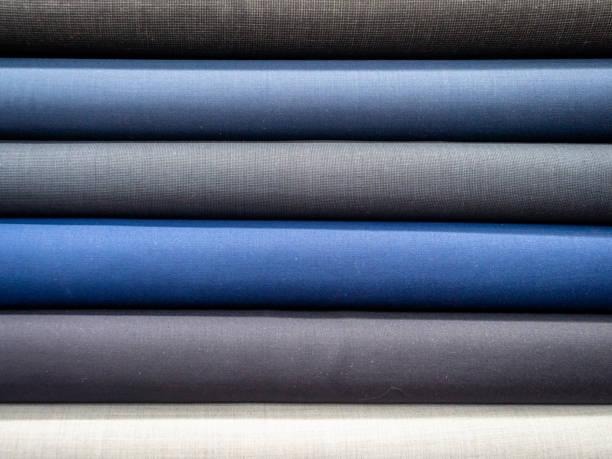
Climate has a powerful influence on how professional clothing performs in everyday working conditions. The type of fabric used determines how comfortable and effective the employees will be during the day whether they are working in high humidity or high sun or heavy rain or cold conditions. Climate impact on uniform fabric contributes significantly on the aspect of durability and breathability and general working comfort.
Companies now understand these issues better and are actively seeking climate-specific uniform suppliers to be able to provide their employees with a uniform that fits the actual environmental conditions. Through the professional help of FuturemindUniforms organizations are able to produce professional clothing that is practical and comfortable and fits various climates. The appropriate choice of fabric will not only make people look better but also increase employee performance and satisfaction.
Climate Impact on Uniform Fabric Choices and Workplace Performance
Why Climate Matters in Workwear Fabric Selection
Climate influences the reaction of fabric to heat and moisture and wind and change in temperature. What is comfortable in one area might not be in another area. Here the climate impact on uniform fabric is highly crucial to the business that appreciates productivity and well-being of employees.
In case of the wrong fabric the employees can experience being too hot or too cold or having limited movement. This causes unpleasant feelings and decreased productivity. Conversely and professional attire that suits the climate helps to keep the body temperature normal and enhances long work hours comfortably and aids in body cooling.
Hot and Humid Climates- Focus on Breathable Fabrics
The greatest challenges in the tropical and humid regions are heat and sweat.
Ideal fabric qualities-
- Lightness and lightness.
- Moisture-wicking ability
- Quick drying performance
- Smooth fabric to wear the whole day.
Cotton blends and modern performance fabrics are commonly used for team apparel in these environments. They are used to regulate the sweat and to provide air circulation. The effect of climate on workwear fabric is particularly keen in this case since breathable fabrics are much more comfortable in physically active jobs.
Hot and Dry Climates- Protection from Heat and Sun
In dry and desert areas direct exposure to sunlight and heat are the biggest concern.
Recommended fabric features-
- UV protection for safety.
- Reflective materials to reflect heat.
- Strong and closely knit framework.
- Air permeable but shielding design.
These fabrics can be used to minimize heat absorption and safeguard workers against fatigue caused by the sun. Under such circumstances professional apparel has to be concerned both in terms of comfort and protection to sustain performance during the day.
Cold Climates- Warmth and Insulation Are Essential
Cold conditions demand clothes that are able to keep the body warm without hindering movement.
Key requirements-
- Warmth, thermal insulation.
- Wind-resistant outer layers
- Comfortable soft inner lining.
- Flexible layering options
Winter ready clothes are usually made of wool blends and fleece and insulated fabrics. The climate impact on uniform fabric in cold areas focuses on the heat retention and comfort in such areas such that employees can effectively work in cold freezing conditions.
Rainy and Humid Climates- Water Protection Matters
Extensive precipitation and a lot of moisture require protective cloth solutions.
Important features-
- Waterproof or water resistant coating.
- Fast-drying capability
- Anti-bacterial and anti-mold qualities.
- Powerful stitching that is long-lasting.
These characteristics make sure that the team apparel can still be used even when it is subjected to continuous rain. By making appropriate choices of fabrics one can avoid any discomfort and prolong the life of professional clothes.
Industrial Work Environments- Strength and Safety First
The industries need fabrics that are able to resist environmental and occupational challenges.
Essential fabric qualities-
- Extremely resistant to wear and tear.
- Chemical or heat resistance in the required areas.
- Comfort for long working hours
- Industry standards of safety compliance.
The climate impact on uniform fabric is a combination of the weather conditions and physical risks in the workplace in such settings. High quality and durable materials guarantee enhanced safety and durability.
Modern Fabric Innovations for Better Climate Adaptation
The development of textile technology has greatly enhanced the performance of workwear in the various climates.
Today’s fabrics offer-
- Temperature regulation technology
- Moisture control systems
- UV protection layers
- Lightweight and comfortable designs.
These inventions enable professional clothes to be flexible in the changing environment and making it comfortable and less stressful to the employees. Companies that use new fabric solutions are able to enjoy increased efficiency and long term value.
Why Choosing the Right Supplier Makes a Difference
The choice of the suitable partner guarantees improved quality of the fabrics and climate appropriateness. The experienced suppliers know the impact of various environments on the performance of materials and assist businesses in making wise decisions.
A good supplier will supply-
- Climate-based expert recommendations of fabrics.
- Industry-specific customization
- Improved comfort and durability
- Cost-effective long-term solutions
Collaboration with reputable vendors such as FuturemindUniforms will help in making sure that all team uniforms are made considering the real working environment.
Business Benefits of Climate-Appropriate Workwear
There are a number of benefits connected with investing in climate-appropriate professional outfits-
- Enhanced employee comfort and morale.
- Increased productivity and concentration.
- Less heat stress and fatigue.
- Longer fabric lifespan
- Stronger professional appearance
Climate change on workwear fabric has direct effect on workforce efficiency and hence it is more of a business decision than a design decision.
Conclusion
Climate is crucial in determining the appropriate fabric to be used in professional clothing in any industry. Each environment needs a unique strategy to make it comfortable and secure and long-lasting. Knowledge of the climate impact on uniform fabric will enable organizations to make superior decisions that will favor the workers and business objectives.
Selecting reputable climate-specific workwear suppliers and collaborating with such professionals as FuturemindUniforms companies will be able to make sure that their working uniform is comfortable and durable and perfectly fitting any climate. This results in better performance and satisfied employees and the long-term operational success.