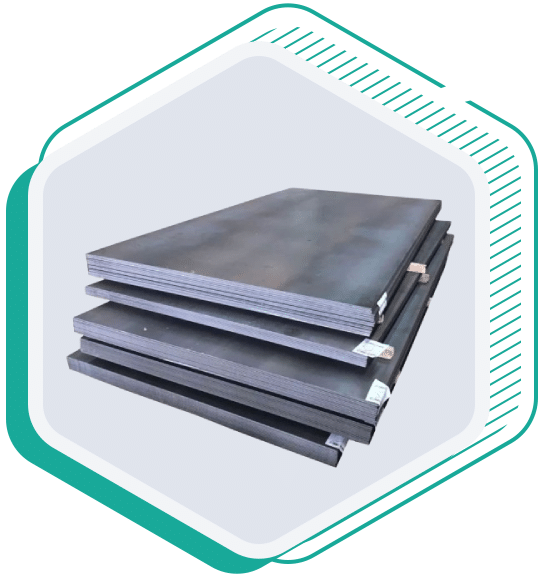
Alloy Steel Plate vs Stainless Steel Plate: Which Is Better?
The right plate depends on what the application demands, not on which material carries the stronger reputation. Steel plates form the structural backbone of most heavy industry. Construction frames, ship…
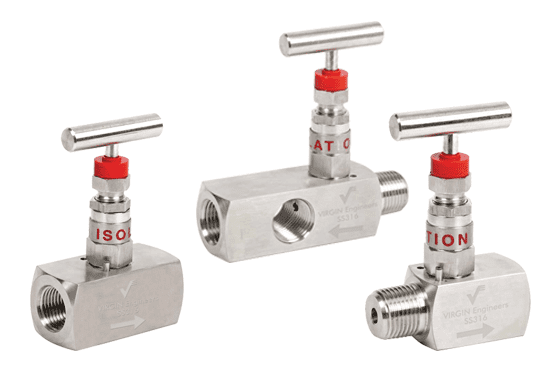
Needle Valve Types Explained: Materials, Features, and Benefits
A needle valve is a precision flow control device that regulates fluid or gas passage through a tapered pin seated against a matching orifice.Precise flow control is really important to…
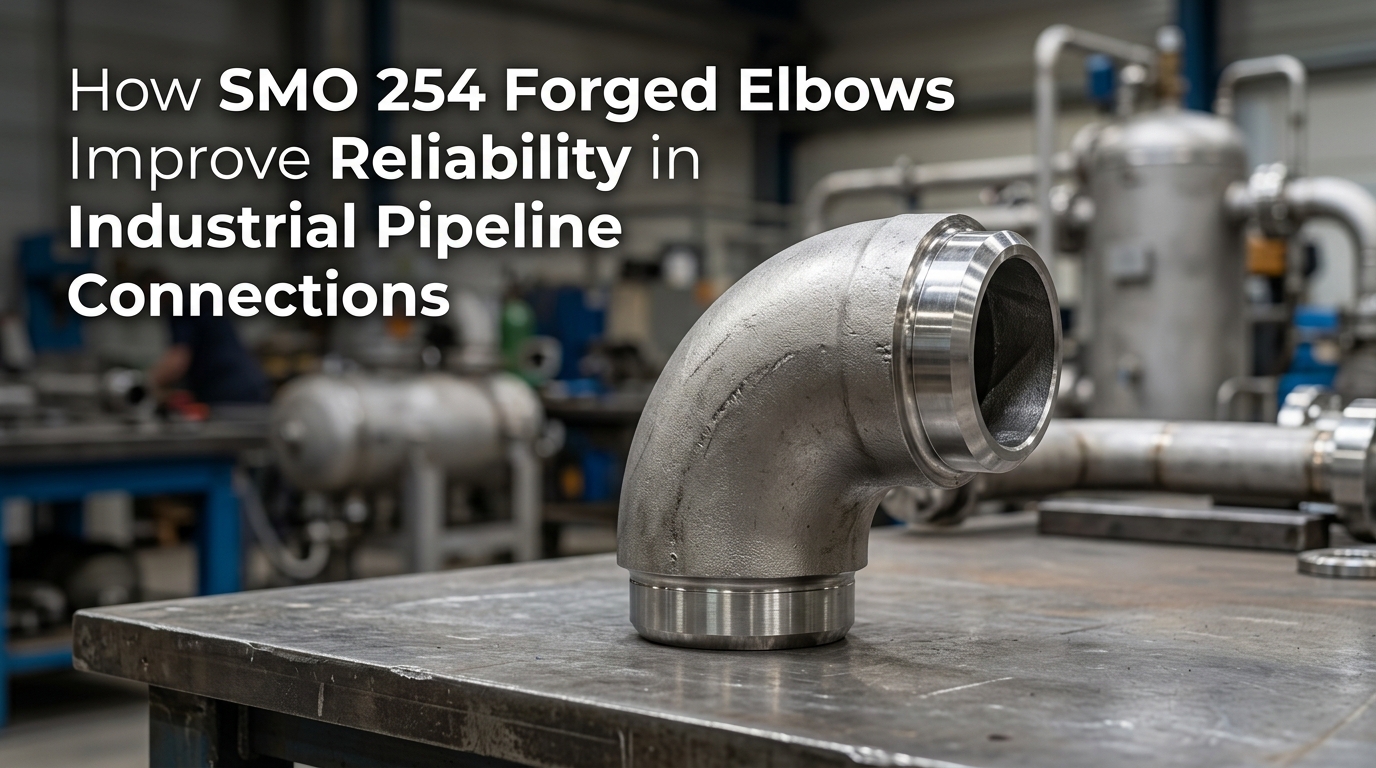
How SMO 254 Forged Elbows Improve Reliability in Industrial Pipeline Connections
Why Pipeline Connections Are Critical in Industrial Piping Systems Process piping relies heavily on fittings to maintain structural integrity. Pipeline fittings experience higher stress concentrations than straight pipe sections. Directional…
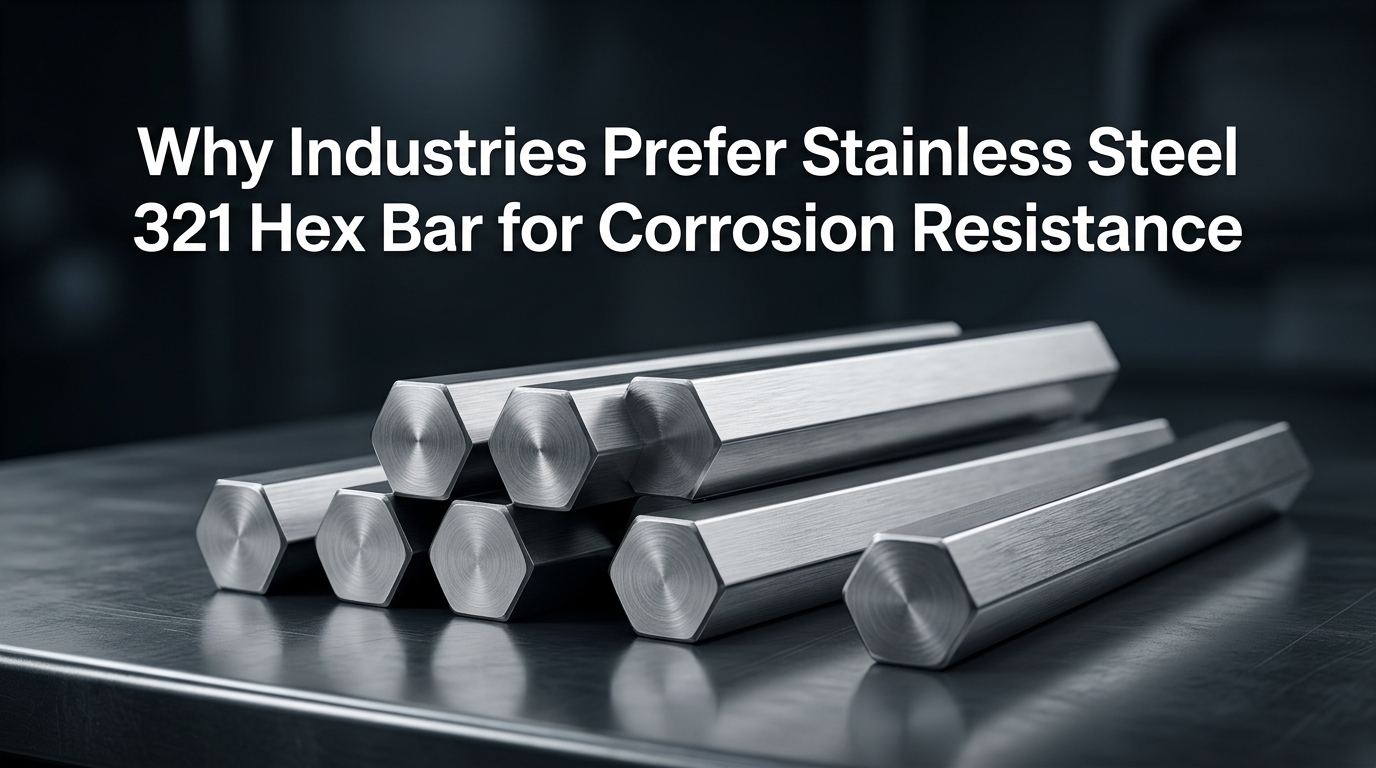
Why Industries Prefer Stainless Steel 321 Hex Bar for Corrosion Resistance
Corrosion costs global industries an estimated $2.5 trillion every year. That figure does not capture the full operational picture. Downtime, emergency procurement, accelerated inspection schedules, and liability exposure from in-service…
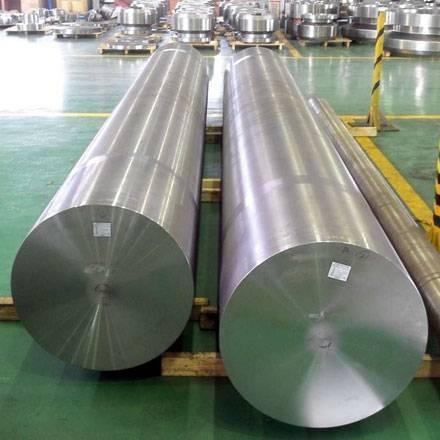
420 SS Round Bar vs 410 Stainless Steel: Which Material is Better?
Choosing between martensitic stainless steels often comes down to one wrong assumption: that all grades within the family perform similarly. SS 420 and SS 410 are placed in the same…
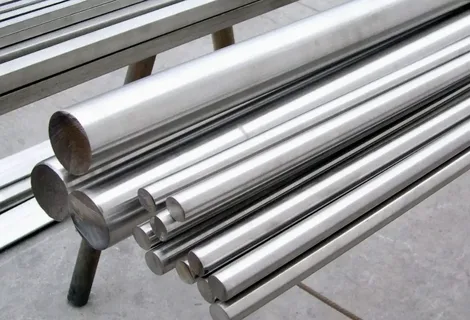
Common Industrial Applications of Stainless Steel 309 Round Bar
High Temperature Furnaces, Kilns & Reactors work with the usual steel grades being fully exploited after just a few months. The Stainless Steel 309 Round Bar retains its strength where…
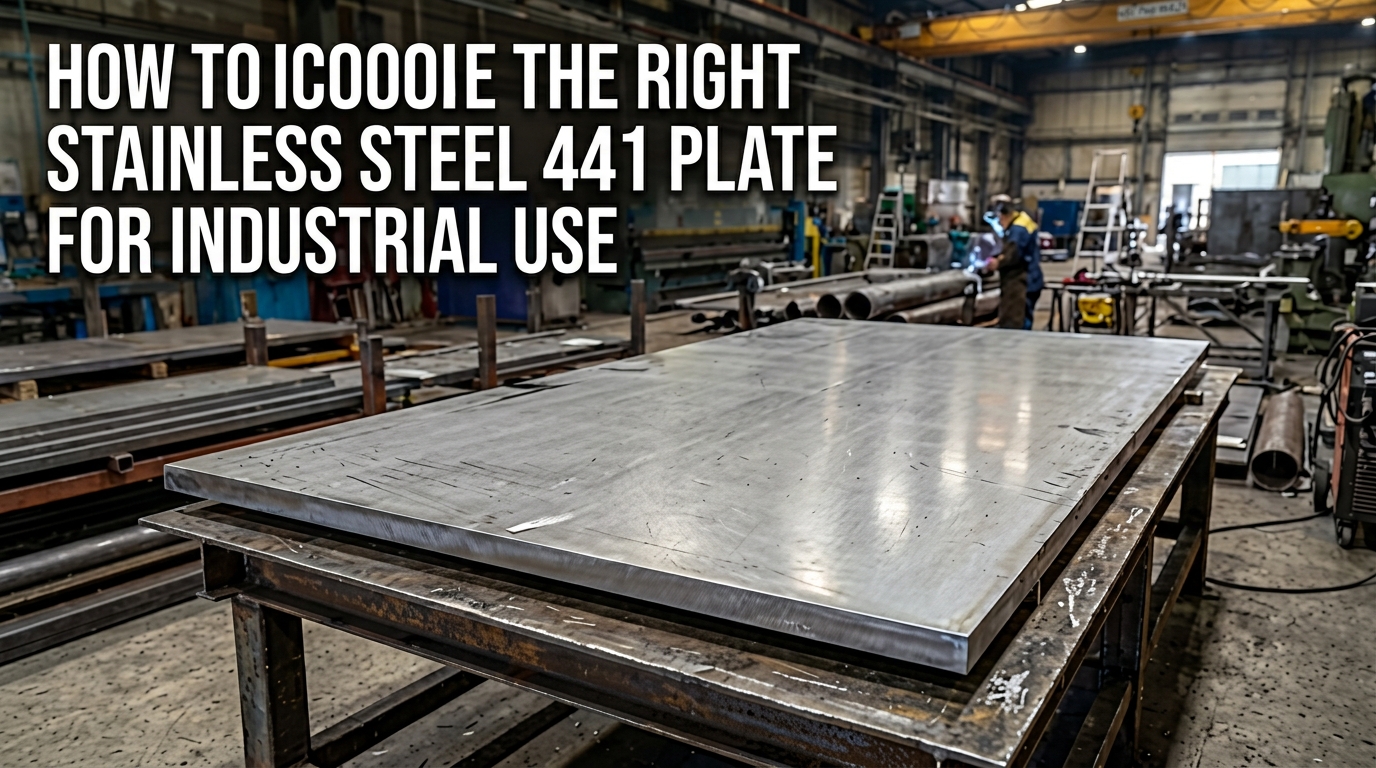
How to Choose the Right Stainless Steel 441 Plate for Industrial Use
The wrong choice of plate grade costs you twice, once in the purchase and again in the replacement. 441 stainless steel Plate can withstand temperatures that cause 304 to oxide…
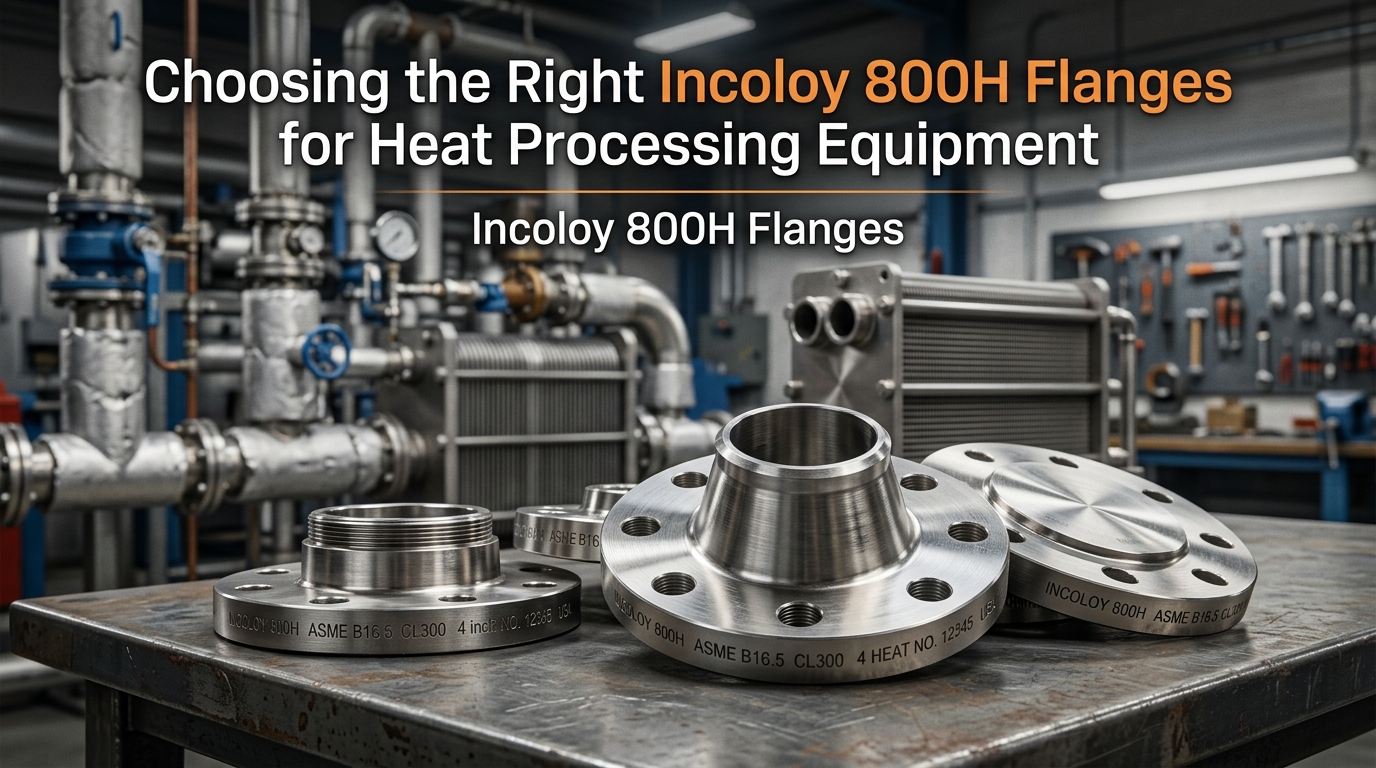
Choosing the Right Incoloy 800H Flanges for Heat Processing Equipment
Introduction to Incoloy 800H Flanges Industrial piping systems rely on flanges as the primary mechanical joints to connect pressure vessels, valves, and pipes. When operations involve extreme thermal environments, these…
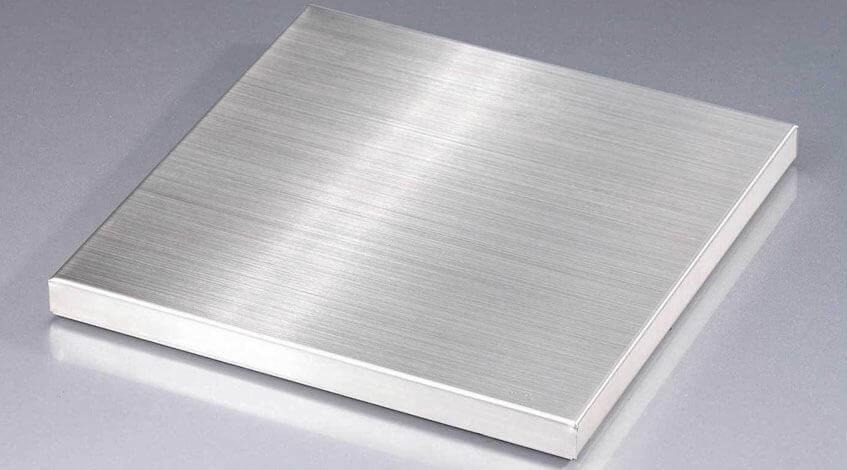
Top 7 Industries Using Aluminium 6061 Plates
Aluminium 6061 Plates are among the most widely used structural aluminium products across modern industry. Due to high strength to weight ratio, corrosion resistance, weldability and ease of fabrication, this…
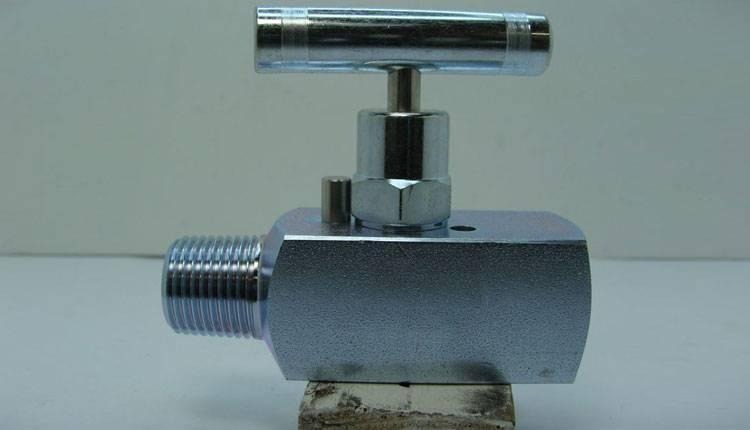
Features and Benefits of Carbon Steel Needle Valves
Industrial flow control depends on accuracy. A misregulated valve in a high-pressure pipeline is not only an efficiency problem but also a measurable safety and operational risk. Carbon Steel Needle…