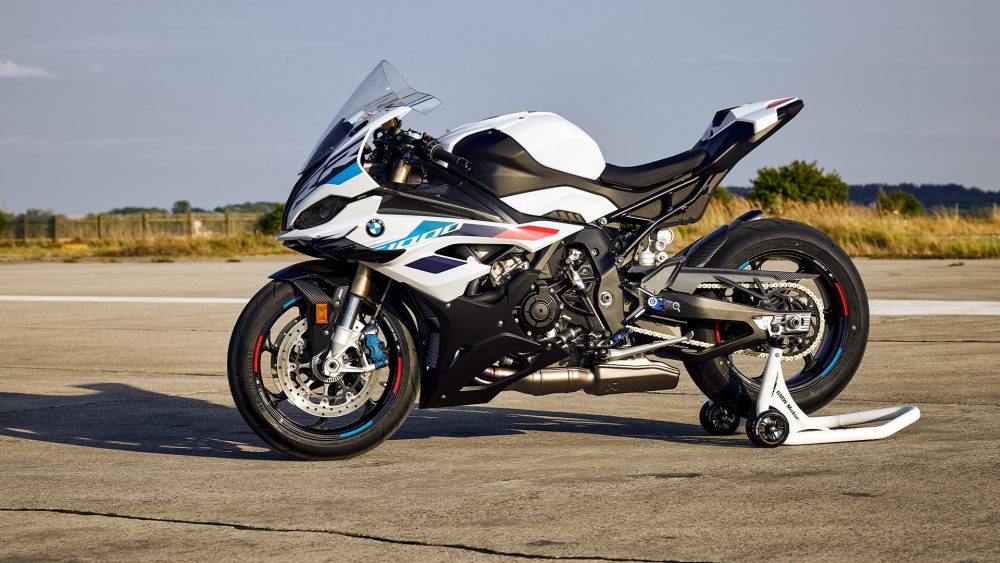
Since its debut in 2009, the BMW S 1000 RR has been a pillar, or the “gold standard,” of literature-class motorcycles due to its ability to marry high performance with user-friendly attributes. It groups together advanced engineering with the ability to easily work for both novice and expert riders. The purpose of this guest post is to provide an insight into the BMW S 1000 RR history; what it means, how it has changed over time, and how much of that advanced technology can be felt during every riding experience, every time you twist the throttle.
A Breakthrough in Sports Bike Engineering
More than ten years back, BMW Motorrad launched the S 1000 RR, drastically changing the sportbike world with its futuristic design and engineering concepts. It sported a 999cc inline four-cylinder motor coupled with the most sophisticated electronic controls, making it a perfect candidate for amazing performance both on the road and racetrack. Throughout its history, the S 1000 RR has set the standard for contemporary super bikes and has been recognised as a classic among high-performance motorcycles.
BMW created the S 1000 RR for the purpose of giving top-level racing performance together with riding fun in real-world situations. The combination of its low weight, aerodynamics, and adjustable suspension makes the motorcycle exceptional on the track or mountain roads, which the yearly updates refine handling and power delivery for both pros and skilled riders.
The first-generation S 1000 RR provided an exciting experience because of the incredible performance available to all riders, including the possibility of using their talents as a racebike or superbike.
Performance Evolution: From Launch to Latest Models
The S 1000 RR continues to evolve in nearly every aspect, including performance, handling and technology. While the core attributes of the sportbike’s powerplant will remain constant through most (and particularly the new models), the introduction of ShiftCam variable valve timing (with resulting improved performance and acceleration) has resulted in less mass (and therefore more responsive) and increased horsepower/torque across the entire powerband.
The S 1000 RR will keep a number of the high-end technology and traits that have been the hallmark of the previous models:
• The riders will be able to use very sophisticated aids like Dynamic Traction Control, ABS Pro and various ride modes that allow them to customise their riding experience according to their own preferences and the conditions.
• Some models come with extra aerodynamic improvements like winglets, which are intended for increasing stability at high speeds.
• The motorcycle’s competition-level suspension and brake system instil a lot of confidence in the rider, whether he is on public roads or at racetracks.
Each of these features stands for a philosophy of innovation toward riding performance, as well as being documented testimonials by riders that describe the S 1000 RR as a finely-tuned instrument and a true high-performance motorcycle that responds seamlessly to each input and provides maximum control through a wide range of rider abilities.
Real-World Speed & Performance on the Road
The brand new 2023 BMW S 1000 RR is an ultra-modern and powerful superbike that has been made for the best riders. This motorcycle gives the riders an experience of extreme power and speed, together with advanced electronics, precise handling, and great comfort. Independent tests showed that the bike could reach a top speed of approximately 299 km/h (186 mph), thus proving the great performance of the engine, the efficiency of the aerodynamics, and the innovative technology, which collectively put the bike in the category of the best-performance motorcycles. High-speed riding is more than just going fast. It also requires agility, stability, accurate handling, and complete control over the rider. During the closed-course tests, the critics continuously glorified the BMW S 1000 RR for providing a solid and trustworthy performance even at the highest speeds; thereby, making the ride both thrilling and confidence-inspiring. Nevertheless, such performance should only take place in controlled environments with all safety measures in place, since it is extremely dangerous to try to reach those speeds on public roads.
Beyond the Numbers: Riding Experience & Rider Feedback
The BMW S 1000 RR has been a subject of consensus among the riders that it not only has a long list of specifications but also a nice vibe, superior engine response from low to high rpm, excellent chassis, and rider-support systems. Moreover, the conversations have recently revolved around its powerful braking, stable ride at high speed, and gentle throttle control.
Numerous riders consider that the BMW S 1000 RR’s phenomenal power is not required at low speeds, for instance, 30 mph, because the bike’s maximal strength is meant to appear only during hard acceleration, high RPMs, and on the track, where its performance can be completely used.
Conclusion: The S 1000 RR Legacy
The introduction of the BMW S 1000 RR in 2009 has been a remarkable journey where intelligent engineering and cutting-edge technology have made it one of the best high-performance sport bikes in the world. The S 1000 RR of BMW is equipped with a powerful engine and advanced electronics, which together give the rider thrilling excitement and very smooth, controlled riding. The bike was awarded the title of the best modern sportbike regarding its performance and engagement with the rider; thereby, the BMW S 1000 RR continues to push the limits with every new generation of bikes, blending high speed with extreme agility. BMW S 1000 RR top speed often attracts very much attention, but it is only one characteristic of the great bike that can be fully understood only by riding it.