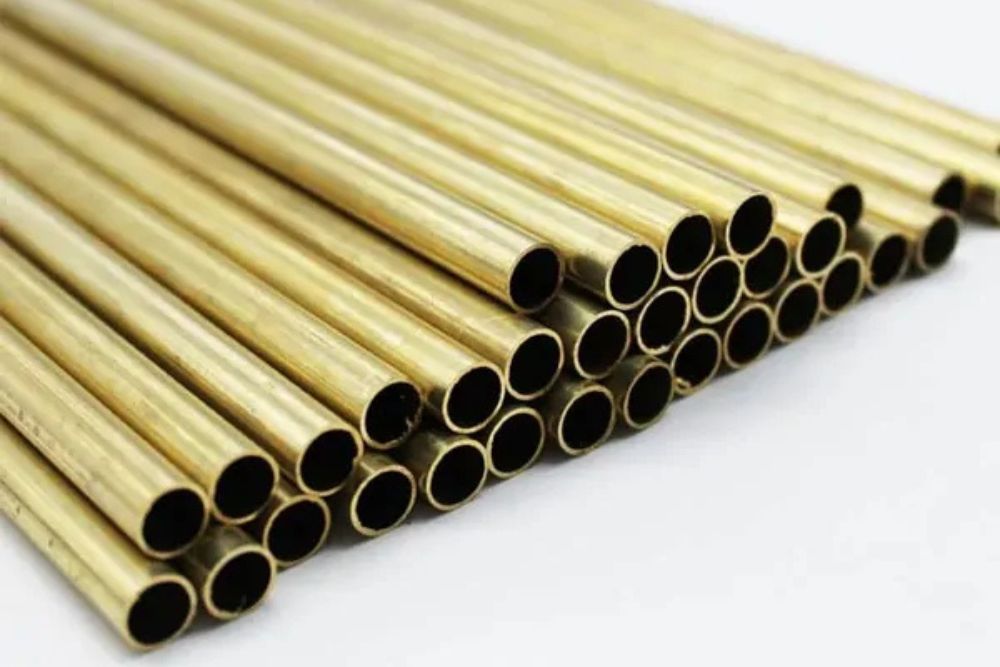
Admiralty brass tubes are copper-zinc alloy tubes. They contain a specific addition of tin. The British Admiralty originally developed this alloy for their warships to handle seawater. Today, industries use them extensively for heat transfer applications. These tubes resist corrosion from water and chemicals. Condensers and heat exchangers operate under constant thermal stress and require materials that do not fail. Many industries prefer High-Quality Admiralty Brass Tubes because of their excellent balance of strength, corrosion resistance, and thermal conductivity.
This article covers the composition, properties, industrial applications, and maintenance of these tubes. We will also compare them with other common tube materials.
Admiralty brass consists of 70 percent copper, 29 percent zinc, and 1 percent tin. Manufacturers also add a small fraction of arsenic, antimony, or phosphorus to the mixture. Engineers usually specify these tubes under ASTM B111 standard specifications. The specific composition makes the material structurally sound for industrial cooling processes.
Key Properties of Admiralty Brass Tubes
The physical and chemical characteristics of the material dictate its use in industrial plants.
Excellent Corrosion Resistance
These tubes resist freshwater and saltwater environments. The 1 percent tin content creates a protective barrier on the metal surface. They show high resistance to dezincification. Dezincification is a specific type of corrosion where the zinc dissolves out of the alloy and leaves a weak, porous copper structure behind. The added arsenic stops the zinc from leaching out. This keeps the tube walls intact over years of operation.
High Thermal Conductivity
Heat transfer applications require materials that move heat fast. Admiralty brass has high thermal conductivity. The thin tube walls allow rapid temperature equalization between the hot and cold fluids on either side. Condensers and heat exchangers operate efficiently with these tubes. The equipment uses less energy to heat or cool the industrial fluids.
Good Mechanical Strength
Industrial systems operate under constant pressure. Admiralty brass tubes withstand operating stress. They do not deform easily under normal conditions. The tensile strength allows them to maintain structural integrity up to specific temperature limits. This durability helps them survive in high-vibration environments like engine rooms.
Easy Fabrication and Formability
Workers need to bend and expand tubes during the installation process. Admiralty brass forms easily. Bending the tubes into U-shapes for heat exchanger bundles does not cause cracking. Expanding the tube ends into heavy metal tube sheets is a standard process during manufacturing. The material handles this mechanical expansion well without splitting.
Long Service Life
Replacing worn tubes takes equipment offline. Plant managers want to avoid downtime. Admiralty brass requires less maintenance than standard steel. The lower replacement frequency saves money for the plant. The tubes last for years under normal operating conditions.
Industrial Applications of Admiralty Brass Tubes
Different industrial sectors rely on the specific physical properties of this alloy.
Heat Exchangers
Industrial cooling and heating systems use shell and tube heat exchangers. The tubes separate two fluids while allowing heat to pass between them. Efficient thermal transfer keeps chemical and mechanical processes at the correct temperature. A single heat exchanger bundle can contain thousands of these brass tubes.
Condensers
Power generation plants generate electricity using steam turbines. The steam must condense back into liquid water to complete the cycle. Condensers use these tubes to cool the steam rapidly. Process industries also use condensers for chemical vapor recovery. The material handles continuous temperature changes without fatiguing.
Marine Industry
Ships need large cooling systems for their engines. Seawater cooling systems run ocean water directly through pipes and coolers. Shipbuilding applications specify admiralty brass because it survives the salt and marine organisms. The corrosion resistance prevents leaks in the ship engine coolers.
Petrochemical Industry
Refineries process volatile chemicals at high temperatures. Cooling equipment must not leak. Process heat transfer units use these tubes to manage the heat generated by chemical reactions. The tubes handle the internal fluid pressure and the chemical exposure.
Power Plants
Power plants have massive condenser tubing systems. They also rely on boiler auxiliary equipment to keep operations running. The water and steam cycle requires corrosion-resistant piping on the low-pressure side. Admiralty brass fits the requirements for these specific power plant zones.
Desalination Plants
Desalination plants convert seawater into fresh drinking water. Saltwater handling applications destroy standard carbon steel very quickly. Corrosion-resistant tubing solutions are mandatory in these facilities. The brass tubes handle the high salt concentrations during the evaporation and condensation stages.
Admiralty Brass Tubes vs Other Brass Tubes
Engineers choose materials based on specific comparison parameters. These parameters include corrosion resistance, thermal conductivity, cost efficiency, marine suitability, and service life.
Admiralty Brass vs Standard Brass
Standard brass is mostly just copper and zinc. It lacks the 1 percent tin addition. Standard brass suffers heavily from dezincification in saltwater. Admiralty brass contains tin and arsenic. It performs much better in water applications. The cost difference between the two is minor. The performance difference in industrial settings is huge.
Admiralty Brass vs Aluminum Brass
Aluminum brass contains aluminum instead of tin. Aluminum brass creates a very strong, self-healing oxide layer. This layer protects the metal against fast-moving water. If the cooling water velocity is high, aluminum brass is the better choice. Admiralty brass handles water velocities up to roughly 6 feet per second. Aluminum brass handles velocities above 7 feet per second. Admiralty brass is easier to bend and expand during fabrication.
Admiralty Brass vs Copper Nickel Tubes
Copper nickel tubes contain 10 to 30 percent nickel. They handle extreme marine environments. They resist biofouling and severe water erosion better than brass. Copper nickel is expensive. Admiralty brass is inexpensive. Plants use admiralty brass as a cost-effective alternative when the water conditions are not severe enough to require copper nickel alloys.
Maintenance Tips for Admiralty Brass Tubes
Proper maintenance helps maximize service life and performance. Equipment fails early if operators ignore the tubes inside the shells.
Regular Inspection
Maintenance teams must inspect the equipment on a set schedule. Visual inspections locate obvious leaks. Technicians use eddy current testing to find wall thinning inside the tubes. Operators should schedule these inspections during planned plant shutdowns.
Water Quality Monitoring
The cooling water chemistry changes over time. Operators must monitor the pH levels and the chloride concentration. High acidity damages the protective oxide film on the brass. Monitoring the water prevents accelerated corrosion and pitting.
Cleaning and Descaling
Minerals build up inside the tubes. Algae, mud, and silt also collect there. This buildup reduces heat transfer efficiency. Cleaning and descaling remove these physical deposits. Workers use mechanical nylon brushes or rubber plugs to clean the tubes. Chemical cleaning is another option. Chemical cleaning requires the correct specific solvents so the actual brass does not dissolve.
Preventive Maintenance Practices
Plants must establish clear maintenance schedules. Replacing damaged tubes early prevents larger system failures. Plugging leaking tubes is a temporary fix used to keep the plant running until a full retubing. Managing the water velocity prevents physical erosion of the tube ends.
Conclusion
Admiralty brass tubes have specific properties that suit demanding industrial environments. The copper, zinc, and tin alloy resists saltwater and prevents dezincification. The material has high thermal conductivity and mechanical strength. These characteristics make the tubes a preferred choice for condensers, heat exchangers, and industrial cooling systems. Heat transfer and marine applications rely on them heavily for daily operations.
Selecting the right tube material dictates long-term operational efficiency. Sourcing these materials from reliable manufacturers ensures the physical properties match the engineering requirements. Companies like Astec Tubes supply alloy steel products, stainless steel products, and industrial materials to clients. Correct material selection keeps industrial systems running with minimal unexpected downtime.